

 English
 Español
 Deutsch
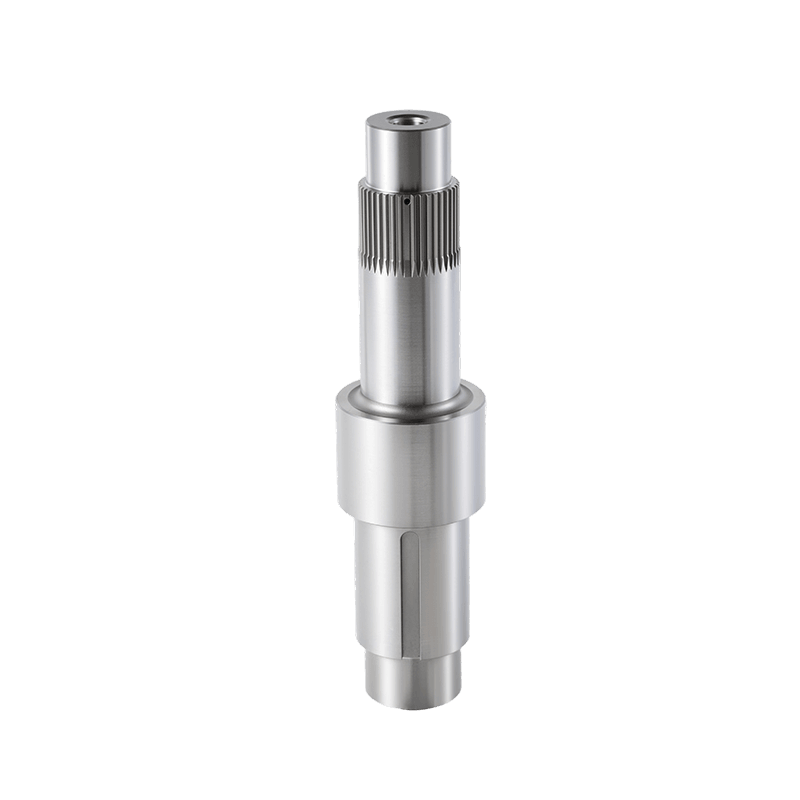
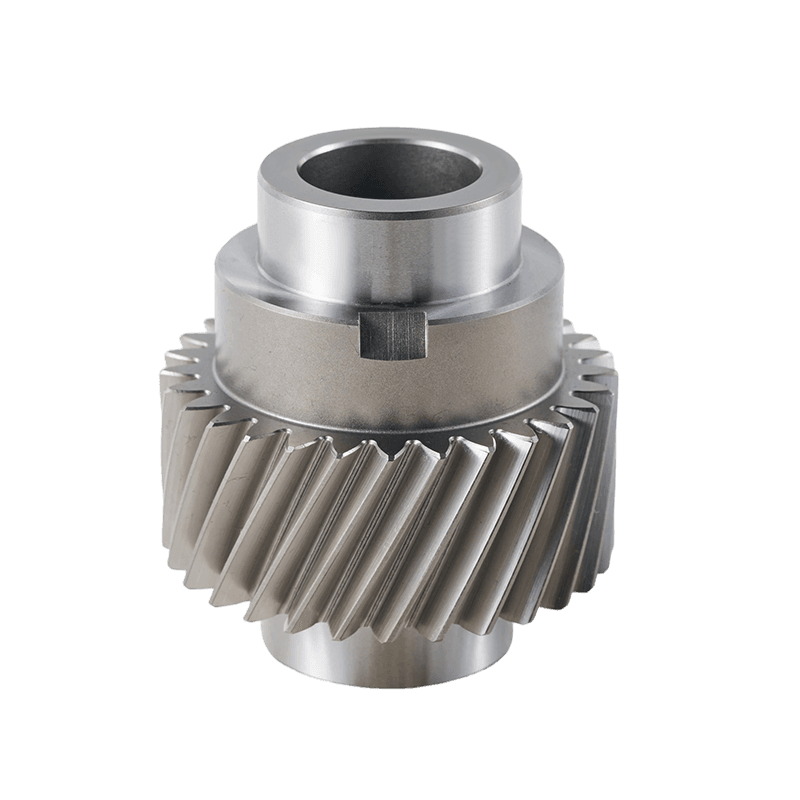
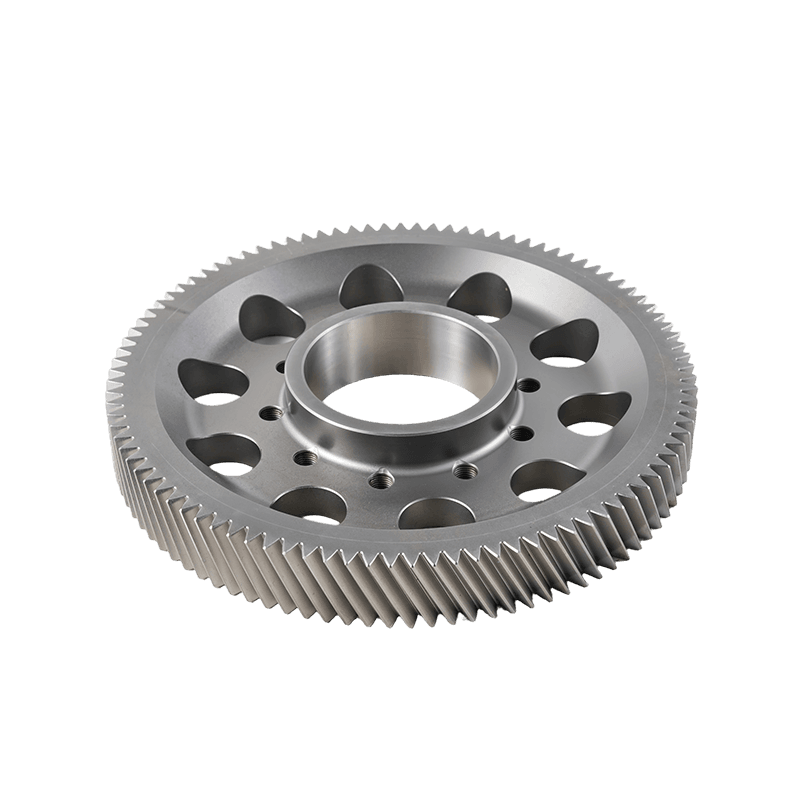
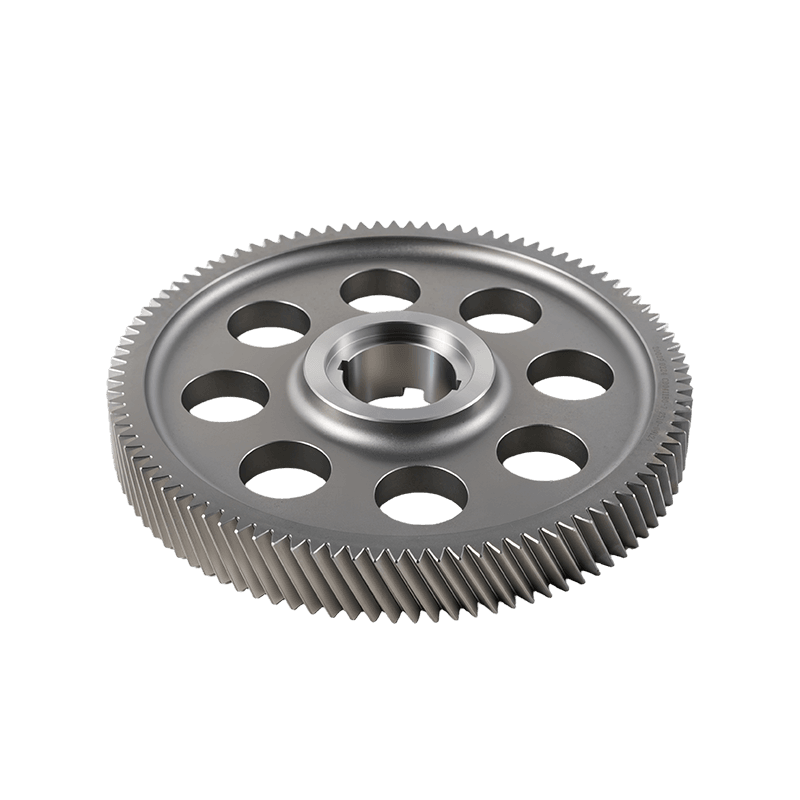
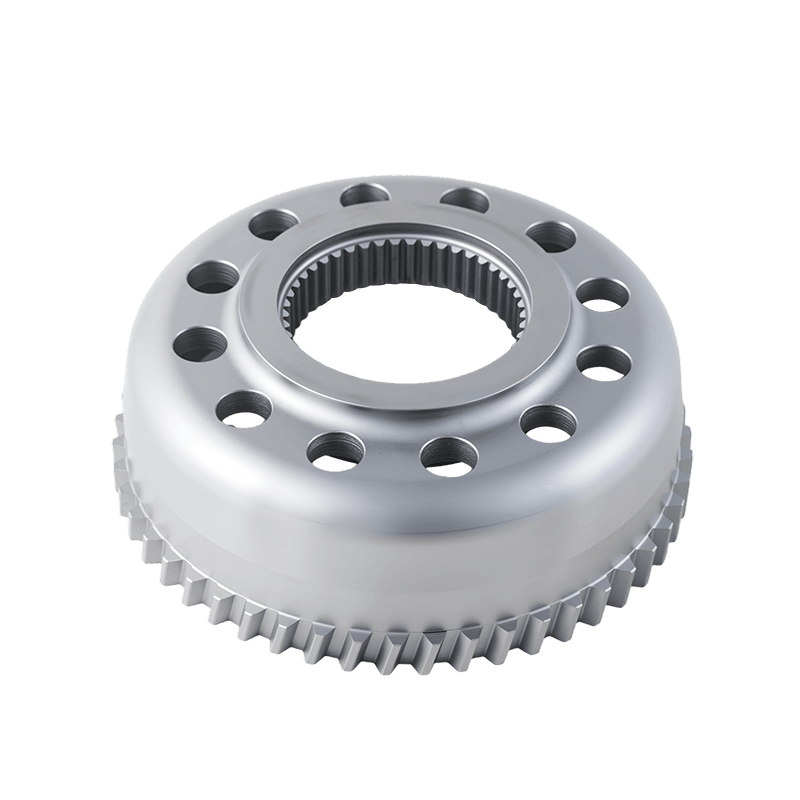
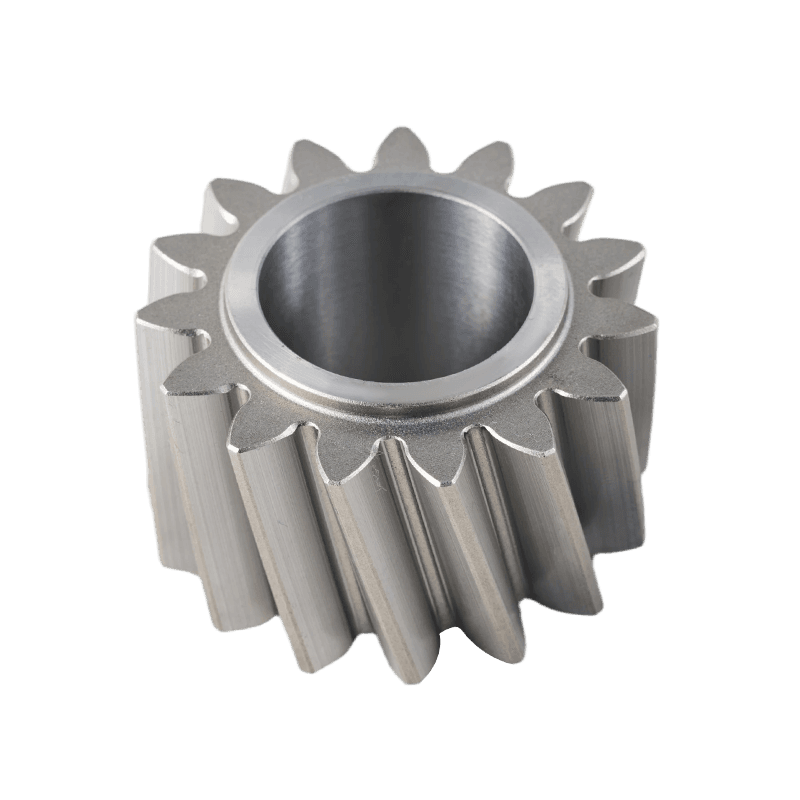
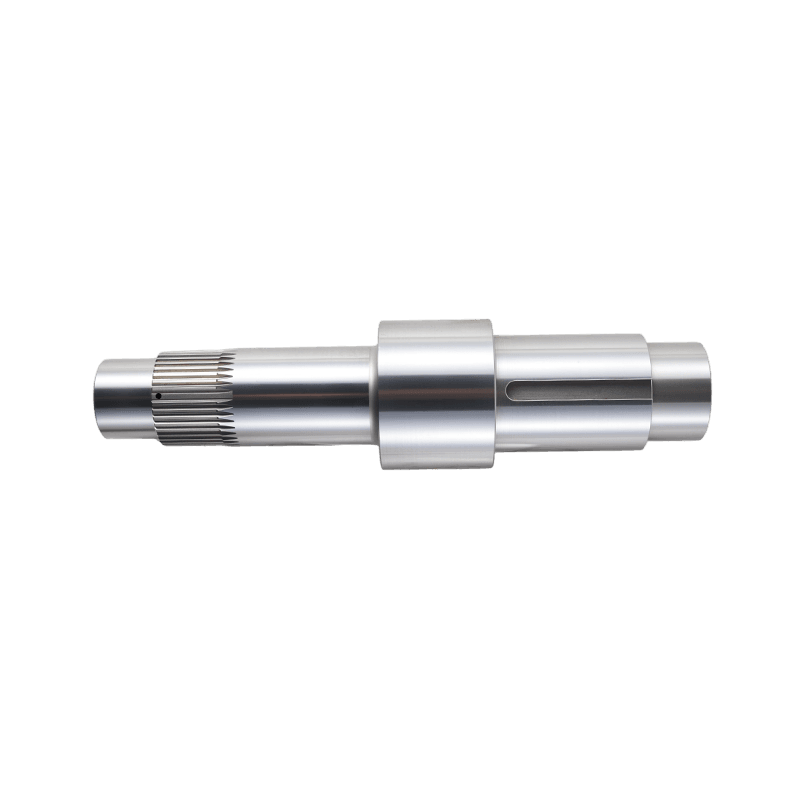
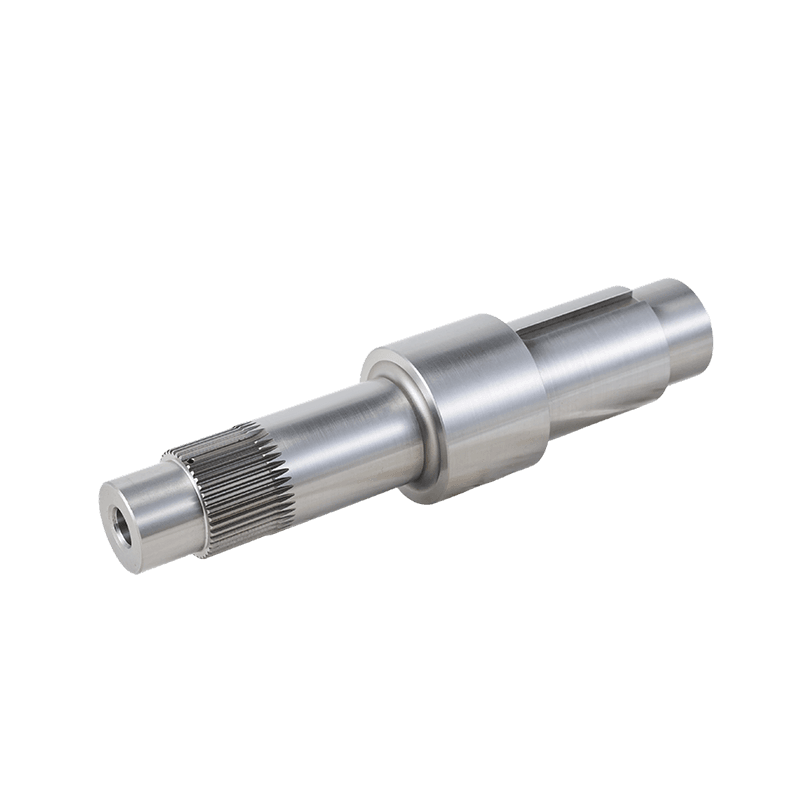
Precision Gears And Shafts form the core of many mechanical transmission systems. Gears transfer rotational motion and torque, while shafts support the rotating components and transmit power between c...
READ MORE
E-Mobility & EV Gears
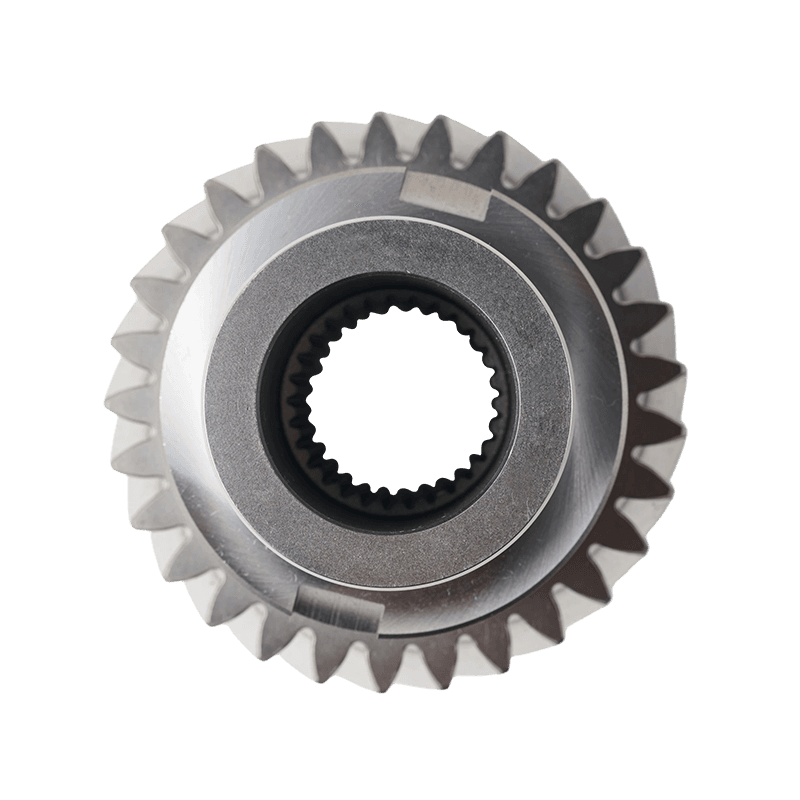
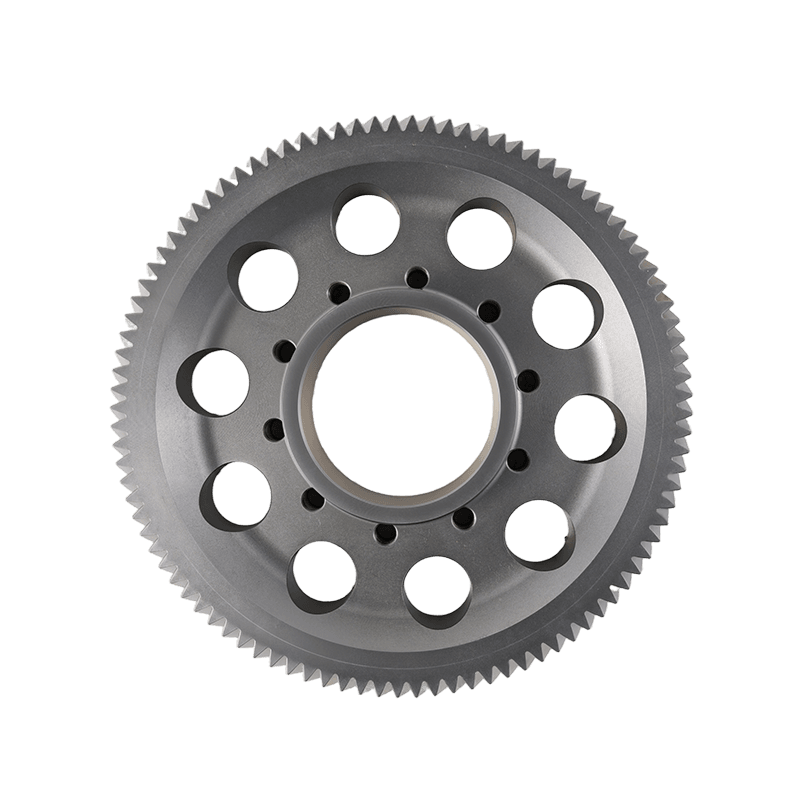
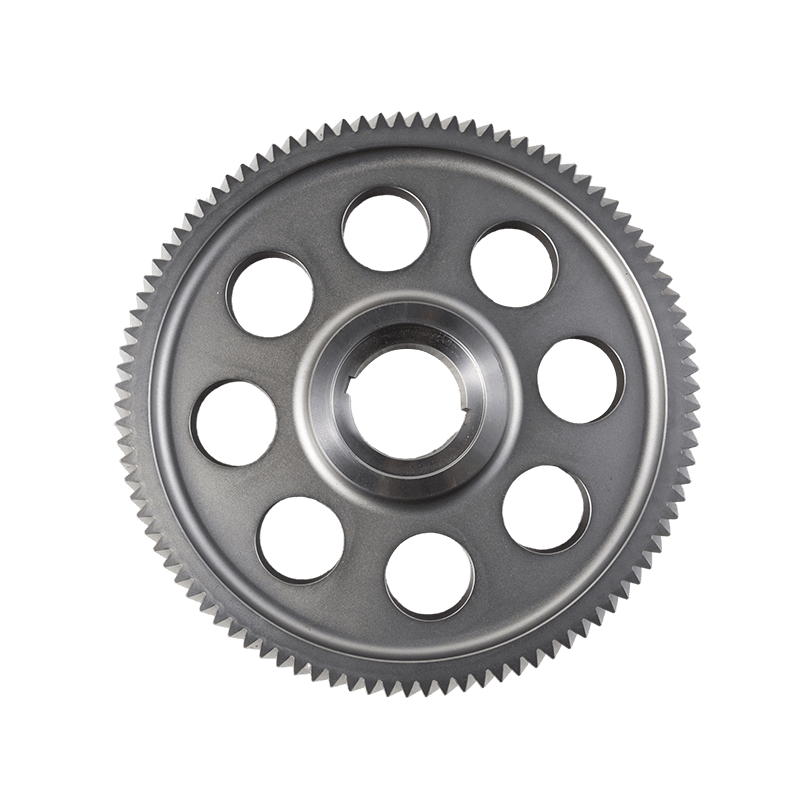
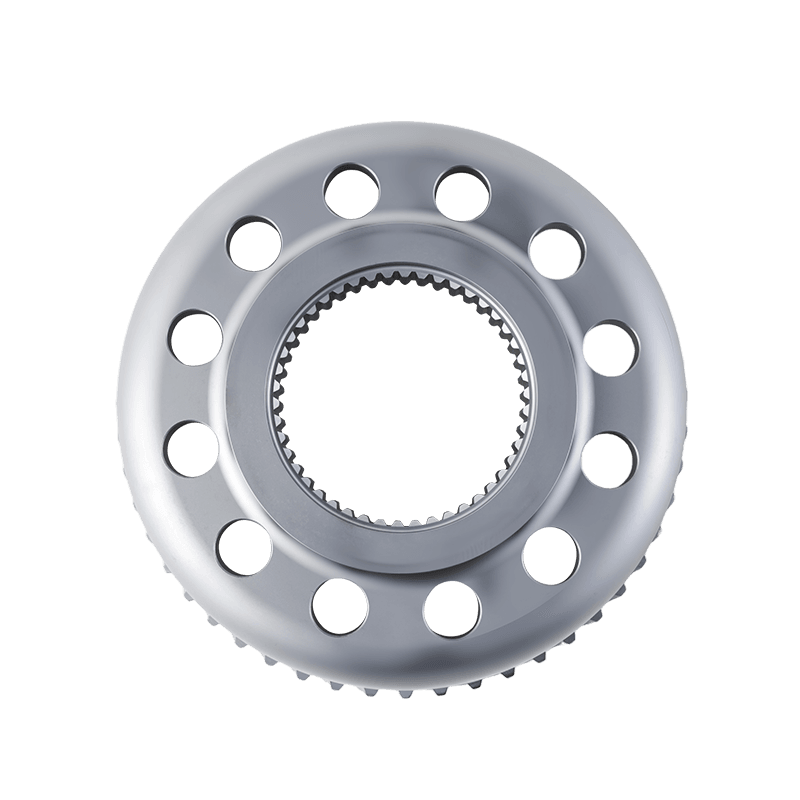
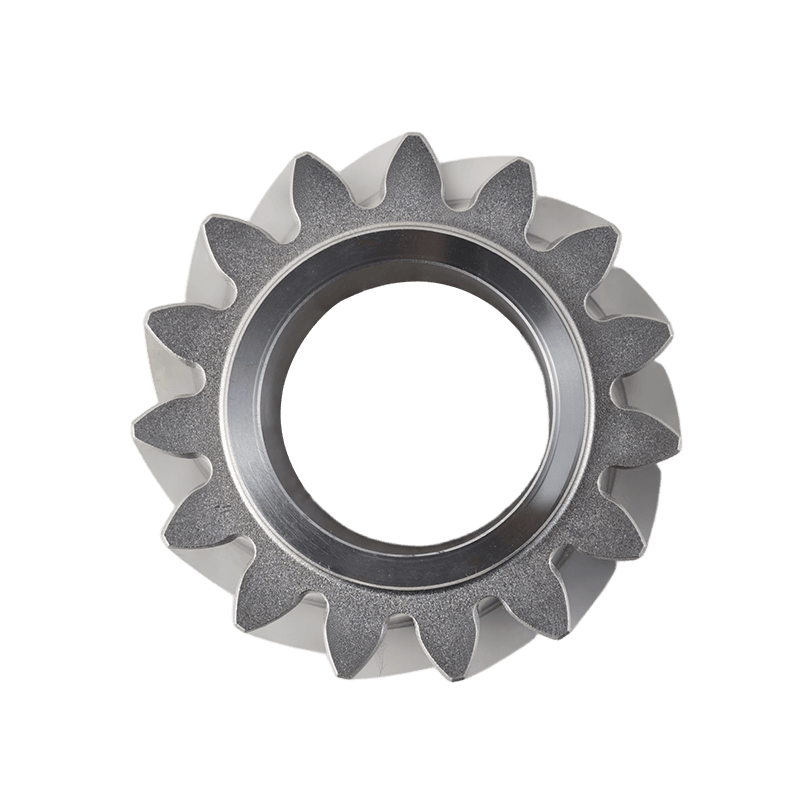
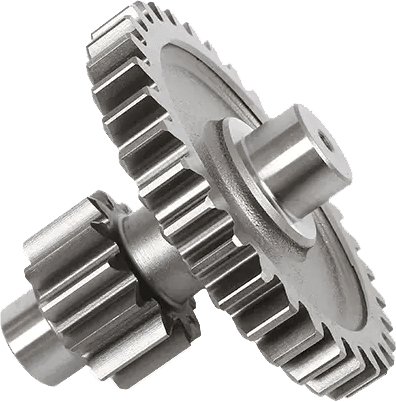
In electric drivetrains such as e-axles, e-drive reducers and EV transmissions, E-Mobility & EV Gears must deliver stable meshing, long life and dependable supply. Key priorities are high-speed accuracy, NVH control, and efficiency for repeatable parts in series production. Common deliverables include reduction gear sets, high-speed gear shafts, and differential-related gears. Haoshun Gearworks supports programs with practical DFM feedback and repeatable production control.
Our approach prioritizes repeatability: controlled heat treatment, accurate interfaces, and inspection checkpoints that match the drawing requirements. Depending on the design, we use forged blanks or bar stock, then apply controlled heat treatment to balance hardness and toughness. Machining focuses on interface accuracy, and tooth finishing is selected to match your noise and life targets. Inspection covers critical dimensions, runout/concentricity where needed, and batch traceability.
From drawing confirmation to samples and volume orders, we provide responsive engineering communication and export packaging support. Documentation such as material certificates (EN 10204 3.1), inspection reports, and warranty letters is available for approval workflows. This category is built for OEMs, Tier suppliers, gearbox builders and volume distributors that need a dependable gear supplier. Rust prevention and packing are selected for overseas transit and storage, not just local delivery. We also support stable part marking and packaging so your warehouse and assembly teams can work faster.
About

Zhejiang Haoshun Machinery Technology Co., Ltd.
Zhejiang Haoshun Machinery Technology Co., Ltd. is located in Taizhou Bay Industrial Park, Jiaojiang District, Taizhou City, Zhejiang Province. Spanning a total area of more than 56,000 square meters and featuring a substantial building area of 70,000 square meters, the company is a technology-based enterprise specializing in the production of precision gears, shafts, gear sleeves, gear rings, and a variety of other essential components. These products serve a broad spectrum of industries, including automotive, agricultural machinery, construction machinery, and reducer applications.
At the core of the company's strength lies its advanced production and testing equipment, which together form a comprehensive closed-loop production system. Every stage of manufacturing, from blank forging to rough machining, precision machining, and heat treatment, is conducted in-house, ensuring rigorous quality control and high-efficiency output. This vertically integrated approach allows the company to maintain superior product consistency and accelerate delivery times while meeting the evolving demands of clients.
Supporting this robust manufacturing infrastructure is a highly skilled team of 360 employees, including 15 senior and intermediate technical personnel and 25 professionals dedicated to quality management and inspection. Their collective expertise continuously refines the company's product design and manufacturing capabilities, ensuring that every component is produced with exceptional precision and performance reliability.
Haoshun Machinery's product portfolio finds extensive application across multiple sectors. By supplying critical drivetrain components to the automotive, agricultural machinery, construction machinery, and reducer industries, the company has developed the flexibility to offer customized gear products and integrated solutions tailored to the specific needs of diverse clients.
Financially, the company has demonstrated robust growth with annual sales revenue reaching 450 million RMB. This success is underpinned by a lean and agile operational team that has forged enduring partnerships with major OEMs and industry-leading clients, further solidifying the company's reputation as a reliable and strategic partner.
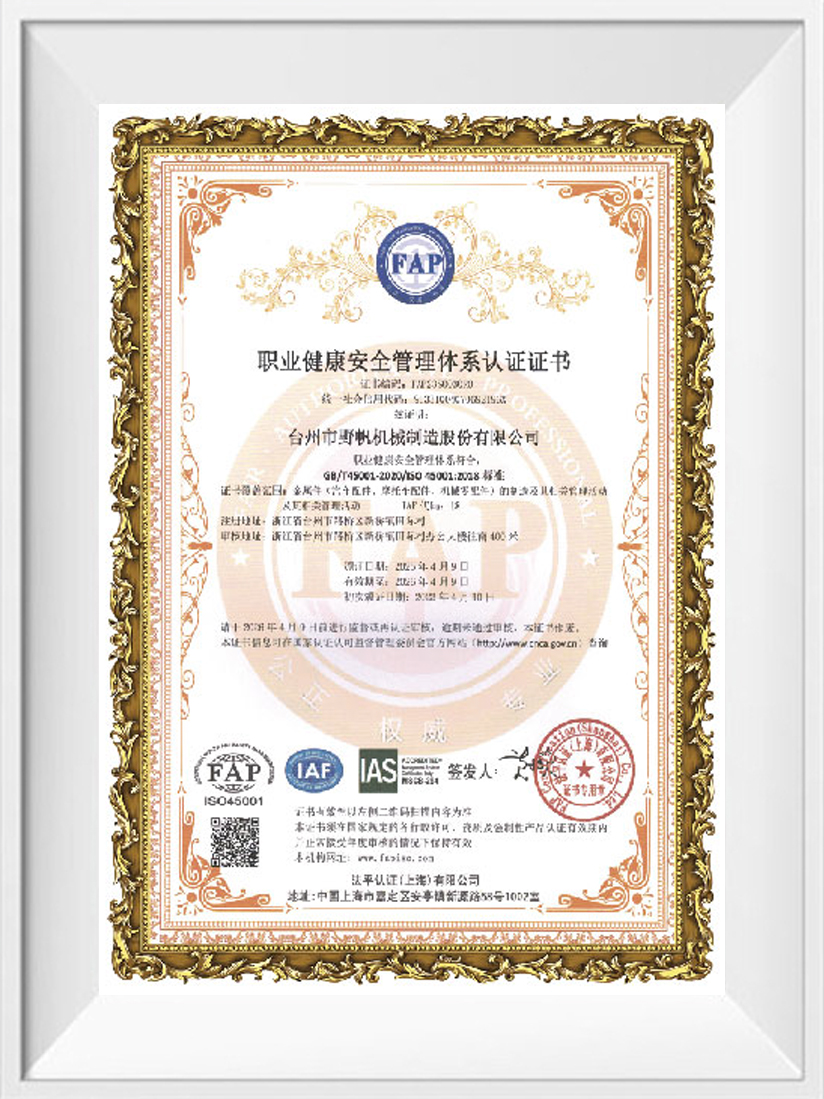
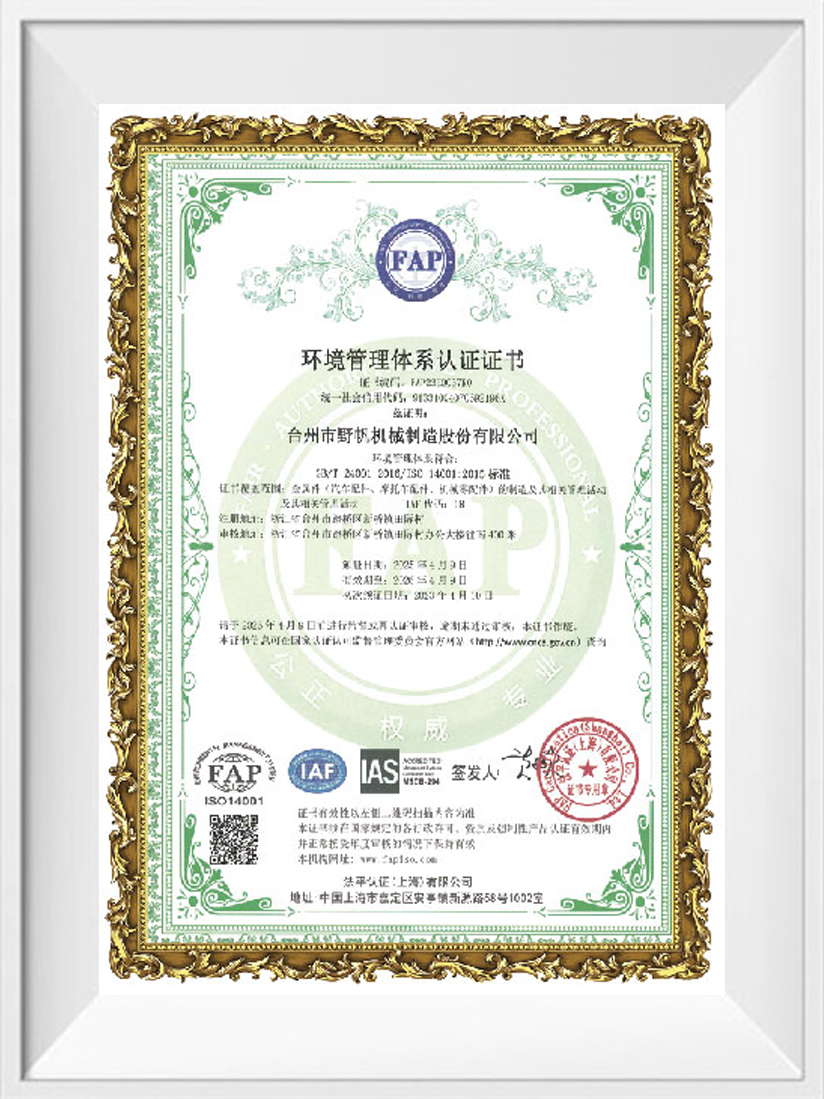
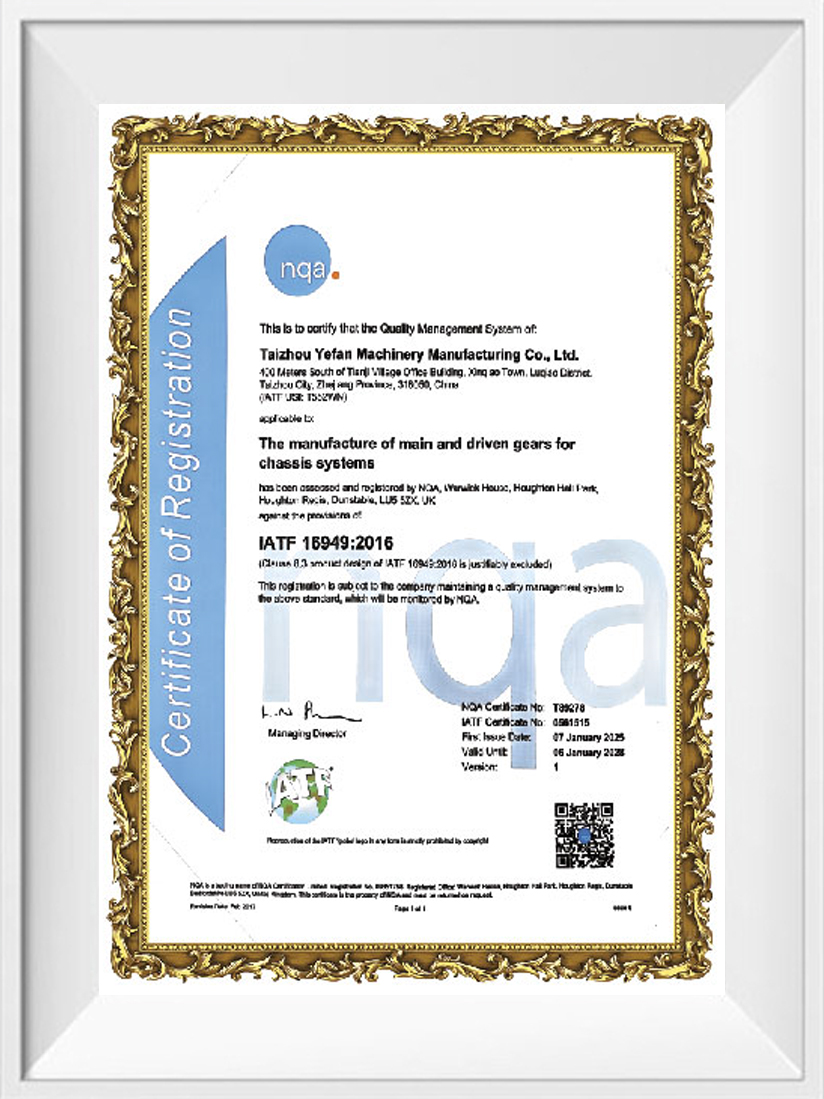
Quality assurance remains a cornerstone of Haoshun Machinery's operations. Since achieving IATF 16949 certification in 2013, the company has embedded a comprehensive quality management system across all levels of its workforce, ensuring that every product leaving the facility conforms to stringent international standards. This commitment to excellence has earned the company multiple accolades, including recognition as a Top 100 Chinese Quality Credit Enterprise, an AAA-level Credit Enterprise, and an Outstanding Enterprise.
Looking ahead, Zhejiang Haoshun Machinery Technology Co., Ltd. remains steadfast in its guiding philosophy of “Innovation-driven, Quality First.” The company is committed to advancing its research and development capabilities, expanding its presence in both domestic and international markets, and striving to become a globally recognized leader in gear and transmission system solutions. Through continuous innovation and an unwavering focus on customer satisfaction, Haoshun aims to deliver not only high-quality, high-precision E-Mobility & EV Gears but also comprehensive technical support and tailored solutions to clients around the world.
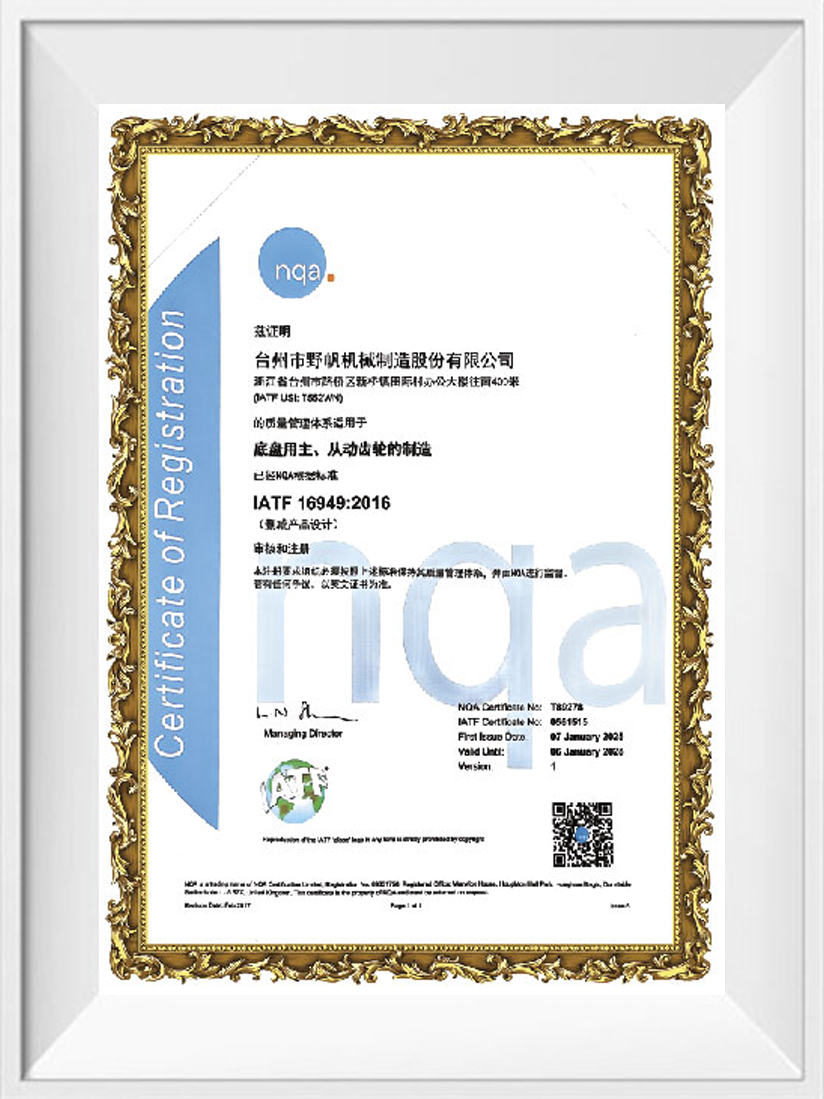
Certificate Of Honor
News
-
-
Inside a transmission system, the final transfer of rotational force depends on several components working together. An Output Gear Shaft is one of the parts that carries this process toward the drive...
READ MORE -
The demand for compact mechanical transmission systems is placing greater attention on how individual gear components contribute to overall equipment layout. A Hollow Worm Gear offers an interesting s...
READ MORE -
Gear conversations typically center on transmitting rotational power from one shaft to another, but a surprising number of mechanical systems need the opposite: turning rotation into straight-line mov...
READ MORE -
An internal combustion engine masks gear whine that would be immediately obvious in an electric vehicle, since there is no engine noise left to cover it once the motor becomes the loudest thing under ...
READ MORE -
A gear that meets every dimension on an inspection report can still get rejected during a supplier qualification audit if the paperwork behind it cannot answer a simple question: which batch of raw ma...
READ MORE -
A gear that meets every dimension on a drawing can still fail an OEM's supplier audit if the paperwork behind it doesn't hold up. Electric drivetrain gear manufacturing for automotive and Tier-supplie...
READ MORE -
Specification decisions around a crawler gear in a truck system rarely come from a single department within a fleet operation, since the requirement usually surfaces from whoever directly experiences ...
READ MORE -
Bore tolerance rarely gets discussed outside engineering drawings, yet it determines whether a hollow output shaft performs reliably in service or introduces vibration and premature wear that shows up...
READ MORE -
Heavy vehicle engineers rarely talk about top speed when they discuss a crawler gear in truck applications, because the entire point of this gear range is the opposite: moving forward at walking pace ...
READ MORE -
Torque transmission looks straightforward from a distance, but the moment a design engineer needs to route a cable, shaft, or pipe through the center of a rotating assembly, a hollow output shaft beco...
READ MORE -
Transmission Gears in industrial systems are rarely evaluated only at the installation stage. In many production lines and mechanical assemblies, what matters more is how gear behavior changes once co...
READ MORE
Industry knowledge
Against this backdrop, the powertrain—serving as the critical link connecting the electric drive system to the wheels—is experiencing a significant acceleration in technological iteration. As a core component of the transmission system, engineering gears fulfill vital functions such as torque transmission, speed conversion, and motion distribution; their performance directly impacts the vehicle's power output efficiency, ride smoothness, and driving range.
Compared to traditional internal combustion engine vehicles, the driving characteristics of electric vehicles (EVs) have undergone a fundamental transformation. Electric motors are characterized by a wide operating speed range and high instantaneous torque output, placing far more stringent demands on gear load-bearing capacity, meshing precision, and noise control. Concurrently, the pursuit of lightweight and compact designs in EVs has spurred continuous innovation in both material selection and structural optimization for engineering gears. From micro-EVs used for urban commuting to heavy-duty commercial vehicles designed for long-haul transport, the requirements for transmission gears vary significantly across different application scenarios.
Currently, interest in engineering gears within the realm of smart electric mobility continues to rise, driven primarily by the following factors:
- Range Anxiety: A 1% improvement in powertrain efficiency can extend a vehicle's driving range by 2% to 3%; consequently, optimizing gear meshing efficiency has become a critical avenue for technological breakthroughs.
- Enhanced Driving Experience: Consumer expectations regarding cabin quietness are constantly rising, making gear noise control technology a key metric for assessing overall vehicle quality.
- Smart Manufacturing Transformation: The application of technologies such as digital twins and online monitoring is driving a shift in gear manufacturing from an experience-driven approach to a data-driven one.
- Total Cost of Ownership: The durability and reliability of gears directly impact a vehicle's maintenance costs and the overall user experience.
Innovative Breakthroughs in Materials Science and Heat Treatment Processes
The performance ceiling of engineering gears is, to a large extent, determined by advancements in materials science. In recent years, significant progress has been made in the research and development of novel gear materials specifically tailored for electric mobility applications. The scope of application for high-strength alloy steels, powder metallurgy materials, and composite materials is steadily expanding, offering new possibilities for achieving an good balance between lightweight design and high load-bearing capacity in gear components. In terms of material selection, the industry is exhibiting a trend toward diversification:
- Carburized and Quenched Steel: This remains the current mainstream choice; through the optimization of carbon content and alloy composition, its contact fatigue strength has surpassed 1,800 MPa.
- Quenched and Tempered Medium-Carbon Alloy Steel: Suitable for medium-load operating conditions, this option offers distinct cost advantages and is widely utilized in commercial vehicle models.
- Powder Metallurgy Gears: The use of near-net-shape forming processes has drastically reduced material waste, while density has been increased to over 7.4 g/cm³, bringing performance levels close to those of forged steel.
- High-Performance Engineering Plastics: In auxiliary transmission systems and low-speed, light-load scenarios, their self-lubricating properties significantly reduce maintenance requirements.
Heat treatment is a critical stage that determines the ultimate performance of a gear. The widespread adoption of advanced processes—such as controlled-atmosphere carburizing and vacuum high-pressure gas quenching—has led to significant improvements in both the precision of gear deformation control and the uniformity of surface hardness. In particular, the application of low-pressure carburizing technology has shortened the carburizing cycle by over 30% while effectively preventing the formation of internal oxidation defects. For the high-speed gears commonly used in electric vehicles, surface modification techniques—such as ion implantation and physical vapor deposition (PVD)—can significantly enhance the wear resistance and anti-scuffing capabilities of the gear teeth without altering the properties of the base material.
Digital Innovation in Precision Manufacturing and Gear Profile Design
The manufacturing precision of gears directly determines the overall performance of a transmission system. As electric vehicle motors push toward rotational speeds of 15,000 RPM—or even 20,000 RPM—the linear velocity of the gears increases substantially, thereby raising the bar for requirements regarding gear profile accuracy, helix accuracy, and cumulative pitch error. Currently, gears for electric vehicle reducers are generally required to meet ISO 1328 Grade 5 (or even Grade 4) precision standards, while certain high-performance applications are already exploring pathways to achieve Grade 3 precision. In terms of manufacturing processes, hard-finish gear machining technologies have become a focal point of industry attention:
- Gear Grinding: This remains the mainstream solution for ensuring the high levels of precision, with continuous optimization seen in technologies such as worm-wheel grinding and form grinding.
- Power Honing: Serving as an economical alternative to gear grinding, this technique excels in reducing gear-tooth surface roughness and improving meshing characteristics.
- Hobbing-Shaving-Heat Treatment Deformation Compensation: Through the systematic optimization of the entire process chain, this approach achieves a good cost-performance ratio for applications requiring medium precision.
- Dry Cutting Technology: By eliminating the use of cutting fluids, this method reduces environmental pollution and waste fluid disposal costs, thereby aligning with the principles of green manufacturing.
Innovations in gear-tooth profile design are equally remarkable. While traditional involute profiles offer advantages in terms of manufacturability, they may not always be the good choice under specific operating conditions. Research into non-standard profiles—such as circular-arc and parabolic profiles—is deepening; by optimizing surface curvature radii and contact paths, these designs effectively reduce Hertzian contact stresses and enhance the gear surface's resistance to pitting. Furthermore, gear flank modification techniques—including crowning, tip relief, and helix angle modification—have become standard methods for compensating for load-induced deformation and optimizing load distribution across the gear surface.
The Convergence of Intelligent Monitoring and Predictive Maintenance Technologies
The intelligentization of engineering gears constitutes a vital component in the evolution of the electric mobility ecosystem. By integrating temperature, vibration, and oil-quality sensors directly into the gearbox, real-time operational data regarding the gears' status can be continuously collected. Leveraging a combination of edge computing and cloud-based analytics, a comprehensive health management system spanning the entire lifecycle of the gears can be established.
The core value of intelligent monitoring technology is manifested in the following dimensions:
- Early Fault Warning: By employing spectral analysis to identify the characteristic frequencies associated with typical faults—such as surface spalling or tooth breakage—the system enables proactive intervention.
- Remaining Useful Life Assessment: Based on cumulative damage theory and real-time load profiles, the system dynamically predicts the remaining service life of the gears.
- Lubrication Status Optimization: By continuously monitoring oil viscosity and contamination levels, the system intelligently adjusts oil change intervals, thereby reducing maintenance costs.
- Driving Behavior Correlation: The system analyzes the impact of individual driving habits on gear wear, providing users with personalized recommendations for energy-efficient driving.
The application of digital twin technology within gear systems is becoming increasingly mature. By constructing high-fidelity models of gears within a virtual space and engaging in real-time data exchange with their physical counterparts, engineers can predict stress distribution and temperature rise characteristics under various operating conditions as early as the product design phase. This capability significantly shortens development cycles and reduces testing costs. Furthermore, some enterprises have begun exploring the integration of digital twin models into vehicle intelligent control systems to implement proactive protection strategies based on model-driven predictions.
Typical Application Scenarios and Comparison of Technical Parameters
Different categories of intelligent electric mobility vehicles present significantly different technical requirements for engineering gears. The table below provides a systematic overview of the key parameters for current mainstream application scenarios:
| Application Scenario | Typical Input Speed (rpm) | Common Transmission Ratio Range | Gear Accuracy Class (ISO) | Primary Material Type | Noise Target (dB) |
| Passenger Vehicle Single-Stage Reducer | 10,000–16,000 | 8–12 | Class 5–6 | Carburized Alloy Steel | 65–72 |
| Passenger Vehicle Two-Speed Transmission | 8,000–14,000 | 9-16 | Class 5 | Carburized Alloy Steel | 68–75 |
| Commercial Vehicle Electric Drive Axle | 6,000–10,000 | 12-20 | Class 6–7 | Medium-Carbon Alloy Steel | 72–78 |
| Electric Motorcycle | 8,000–12,000 | 5-8 | Class 6–7 | Carburized Steel / Powder Metallurgy | 60–68 |
| Electric Construction Machinery | 4,000–8,000 | 20–50 | Class 7–8 | High-Strength Alloy Steel | 78–85 |
| Electric Aircraft | 5,000–10,000 | 3–6 | Class 4–5 | Titanium Alloy / Specialty Steel | 55–62 |
As indicated by the data in the table, the passenger vehicle sector imposes the more stringent requirements regarding gear accuracy and noise control; this is closely linked to the sector's direct orientation toward end consumers. In contrast, commercial vehicles and construction machinery prioritize load-bearing capacity and reliability, while also being more sensitive to cost control considerations. As an emerging field, electric aviation—despite its currently limited market size—is driving gear technology to new heights through an uncompromising pursuit of lightweight design and reliability.
Submit feedback
Let’s Build Your Perfect product.
-
William Weber:
Phone: +86-13968651722
E-mail: sales01@hsgearworks.com -
Flora:
Phone: +86-13738533719
E-mail: sales05@hsgearworks.com -
Address:
No.9 East Section, Jianan Avenue, Taizhou Bay New District, Taizhou City, Zhejiang Province, China, 318052
Copyright @ Zhejiang Haoshun Machinery Technology Co., Ltd. All Rights Reserved.
Custom Smart Mobility Engineering
