

 English
 Español
 Deutsch

Who Specifies A Crawler Gear In Truck Drivetrains?
Where Engineering Excellence Meets Reliable Transmission
Specification decisions around a crawler gear in a truck system rarely come from a single department within a fleet operation, since the requirement usually surfaces from whoever directly experiences the limitations of standard low-range gearing during actual field operations.
Fleet Engineers And Drivetrain Selection
Fleet engineering teams typically make the final call on gear ratio selection, but the request itself often originates from operations staff reporting difficulty with precise vehicle positioning on active job sites. Are engineers working from a standard specification list or building custom ratios for each application? Standard heavy-duty gear system options cover a wide range of common use cases, though custom ratio requests become more common when a fleet operates in unusually tight job site conditions or across terrain that falls outside typical drivetrain specification charts.
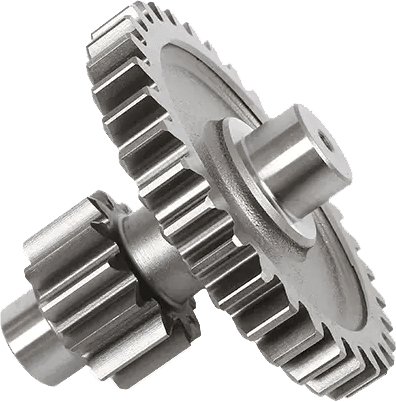
Which factors do engineers weigh heavily when selecting a specific crawler gear ratio? Axle torque capacity, tire size, and the truck's gross vehicle weight rating all factor into the decision, since a crawler gear in truck ratio calculated for a lighter vehicle can overload the driveline components on a heavier configuration if applied without adjustment. Engineers cross-reference these figures against manufacturer torque ratings before finalizing a gear selection, rather than defaulting to a single ratio across an entire vehicle class.
Equipment Operators And Site Supervisors
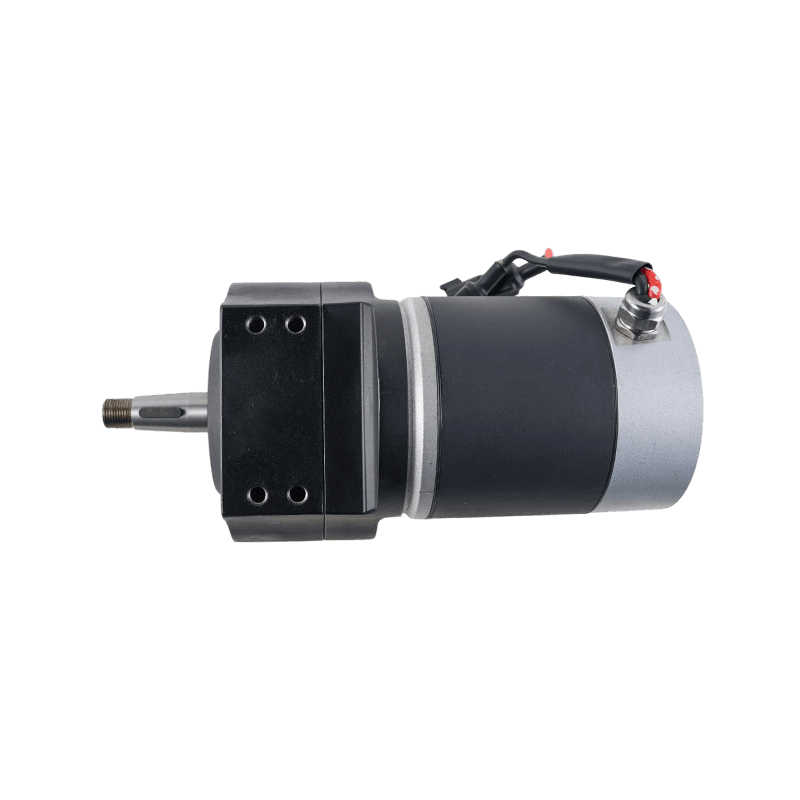
Site supervisors overseeing construction, utility, or emergency response operations frequently drive the initial request for crawler gear capability, since they observe firsthand how standard low-range gearing performs during tight maneuvering situations. Where does this feedback typically originate within a project timeline? Early project phases involve heavy equipment delivery and positioning, when supervisors encounter clearance challenges that a standard transmission range struggles to handle smoothly. This field-level feedback often becomes the justification fleet engineers cite when requesting budget approval for vehicles equipped with an auxiliary gearbox capable of true crawler-range operation.
Vehicle Manufacturers And Upfitters
Original equipment manufacturers building specialty truck chassis frequently offer a crawler gear in truck options as a factory-installed feature, particularly on chassis destined for fire apparatus, utility, or construction applications. Do upfitters modify factory drivetrains after delivery, or is this decision locked in before the chassis leaves the manufacturer? Most crawler gear specifications get finalized at the chassis order stage, since retrofitting an off-road transmission component after final vehicle assembly involves considerably more labor than specifying the correct drivetrain configuration during the initial build order.
Regulatory And Insurance Considerations
Insurance underwriters and safety regulators occasionally influence crawler gear specification indirectly, particularly for fire and emergency vehicles where positioning precision ties directly to operator safety near structures and overhead obstacles. Which vehicle categories face scrutiny on this point? Aerial apparatus and vehicles operating near energized power lines tend to face closer review, since a positioning error during setup carries safety consequences that extend beyond simple property damage, giving safety officers a direct stake in whether a crawler gear in a truck system meets the precision standards expected for that specific application.
Long-Term Fleet Planning
Fleet planners managing vehicle replacement cycles also weigh crawler gear specification against total cost of ownership, since a crawler gear in a truck drivetrain adds complexity and maintenance points compared to a standard transmission configuration. Which maintenance factors get evaluated during this planning process? Auxiliary gearbox service intervals and specialized parts availability both factor into long-term cost projections, pushing some fleets toward standardized drivetrain packages across their entire specialty vehicle lineup rather than customizing each unit individually, simply to keep parts inventory and technician training requirements manageable
-
William Weber:
Phone: +86-13968651722
E-mail: sales01@hsgearworks.com -
Address:
No.9 East Section, Jianan Avenue, Taizhou Bay New District, Taizhou City, Zhejiang Province, China, 318052
Copyright @ Zhejiang Haoshun Machinery Technology Co., Ltd. All Rights Reserved.
Precision Gears Manufacturer
