

 English
 Español
 Deutsch
Precision Gears And Shafts form the core of many mechanical transmission systems. Gears transfer rotational motion and torque, while shafts support the rotating components and transmit power between c...
READ MORE
About

Zhejiang Haoshun Machinery Technology Co., Ltd.
Zhejiang Haoshun Machinery Technology Co., Ltd. is located in Taizhou Bay Industrial Park, Jiaojiang District, Taizhou City, Zhejiang Province. Spanning a total area of more than 56,000 square meters and featuring a substantial building area of 70,000 square meters, the company is a technology-based enterprise specializing in the production of precision gears, shafts, gear sleeves, gear rings, and a variety of other essential components. These products serve a broad spectrum of industries, including automotive, agricultural machinery, construction machinery, and reducer applications.
At the core of the company's strength lies its advanced production and testing equipment, which together form a comprehensive closed-loop production system. Every stage of manufacturing, from blank forging to rough machining, precision machining, and heat treatment, is conducted in-house, ensuring rigorous quality control and high-efficiency output. This vertically integrated approach allows the company to maintain superior product consistency and accelerate delivery times while meeting the evolving demands of clients.
Supporting this robust manufacturing infrastructure is a highly skilled team of 360 employees, including 15 senior and intermediate technical personnel and 25 professionals dedicated to quality management and inspection. Their collective expertise continuously refines the company's product design and manufacturing capabilities, ensuring that every component is produced with exceptional precision and performance reliability.
Haoshun Machinery's product portfolio finds extensive application across multiple sectors. By supplying critical drivetrain components to the automotive, agricultural machinery, construction machinery, and reducer industries, the company has developed the flexibility to offer customized gear products and integrated solutions tailored to the specific needs of diverse clients.
Financially, the company has demonstrated robust growth with annual sales revenue reaching 450 million RMB. This success is underpinned by a lean and agile operational team that has forged enduring partnerships with major OEMs and industry-leading clients, further solidifying the company's reputation as a reliable and strategic partner.
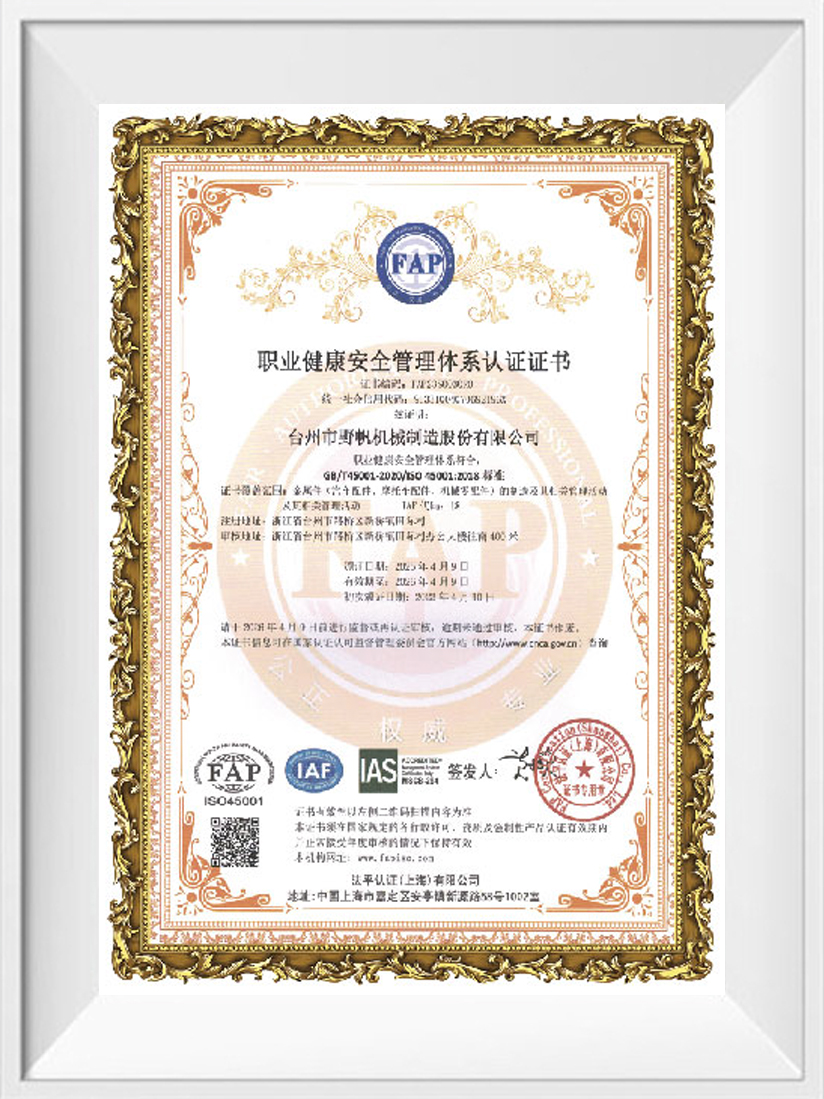
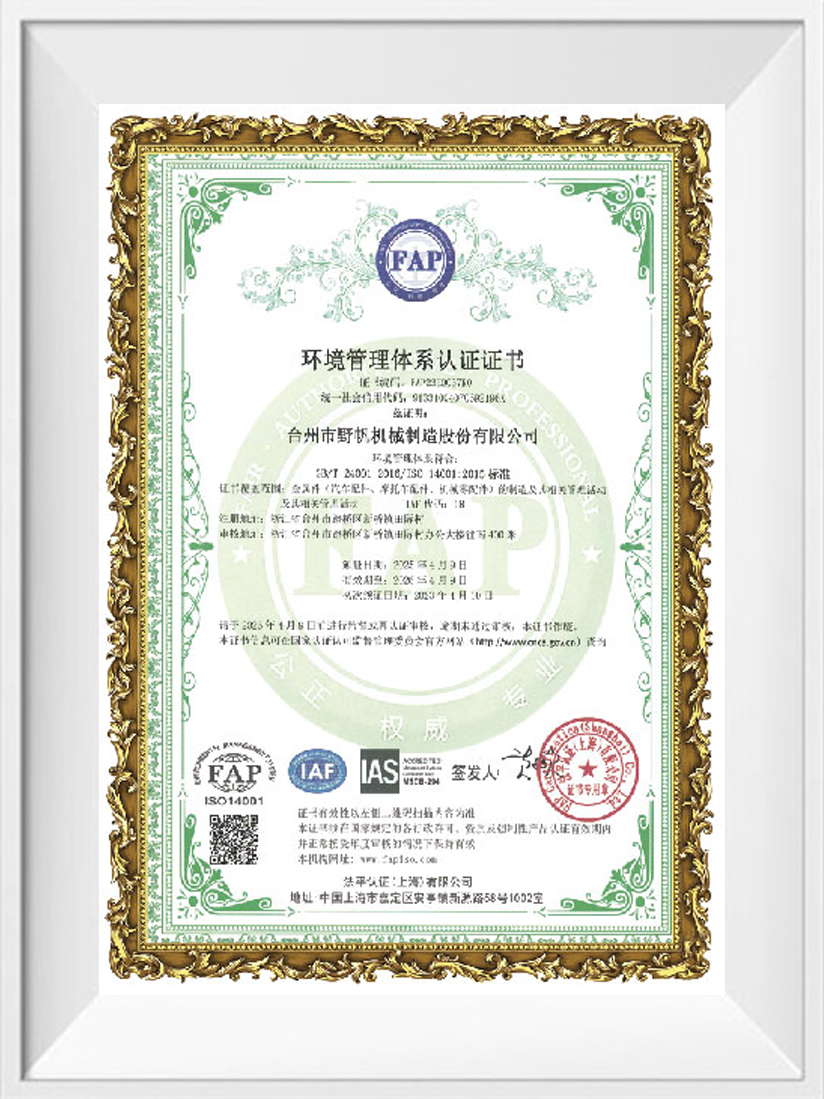
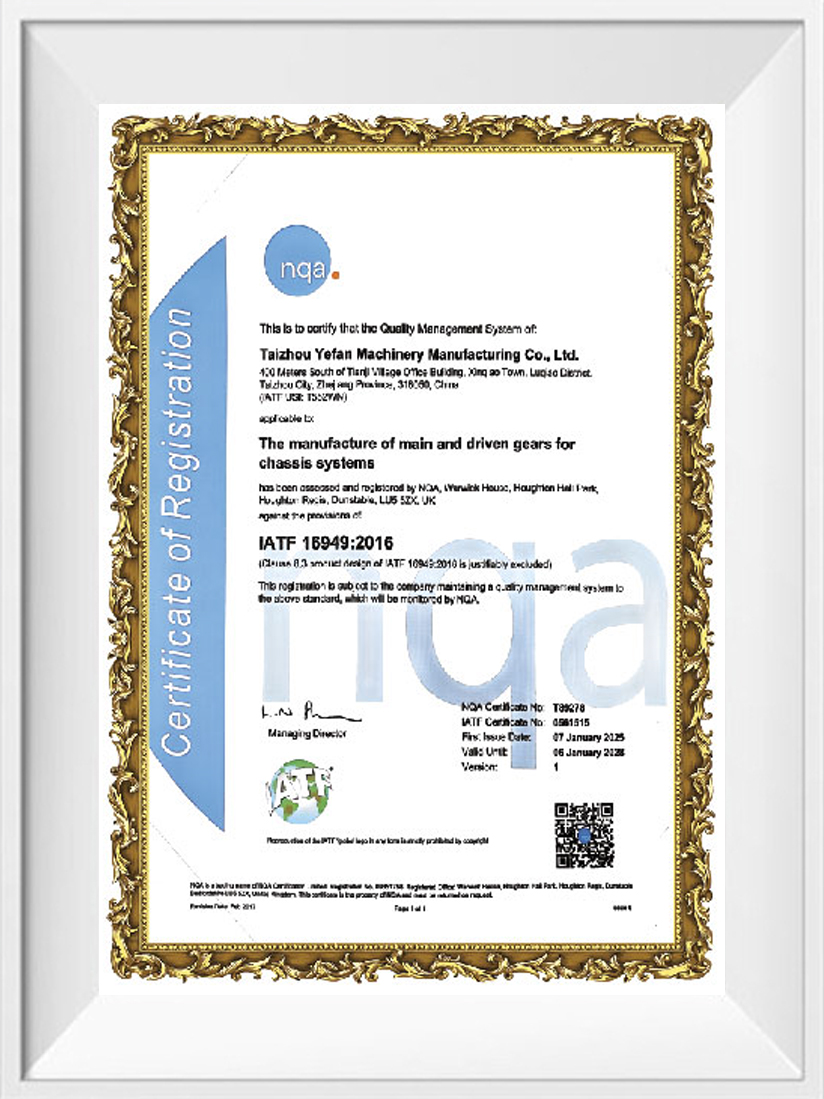
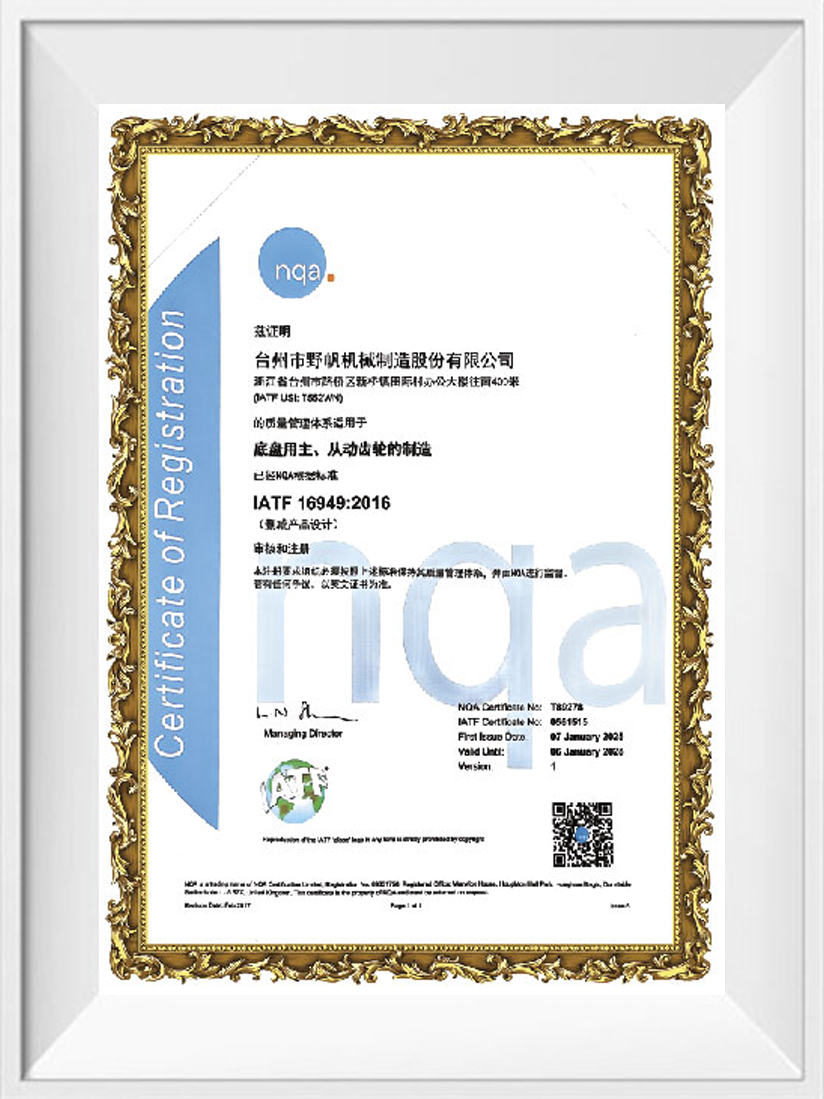
Quality assurance remains a cornerstone of Haoshun Machinery's operations. Since achieving IATF 16949 certification in 2013, the company has embedded a comprehensive quality management system across all levels of its workforce, ensuring that every product leaving the facility conforms to stringent international standards. This commitment to excellence has earned the company multiple accolades, including recognition as a Top 100 Chinese Quality Credit Enterprise, an AAA-level Credit Enterprise, and an Outstanding Enterprise.
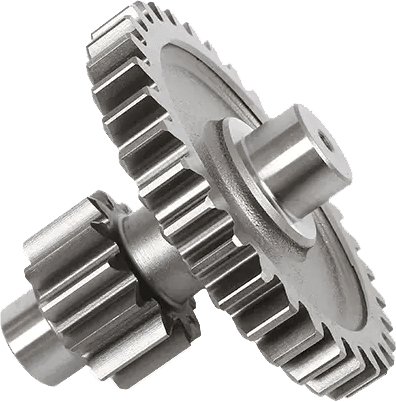
Looking ahead, Zhejiang Haoshun Machinery Technology Co., Ltd. remains steadfast in its guiding philosophy of “Innovation-driven, Quality First.” The company is committed to advancing its research and development capabilities, expanding its presence in both domestic and international markets, and striving to become a globally recognized leader in gear and transmission system solutions. Through continuous innovation and an unwavering focus on customer satisfaction, Haoshun aims to deliver not only high-quality, high-precision Baler & Seeder Drive Gears but also comprehensive technical support and tailored solutions to clients around the world.
Certificate Of Honor
News
-
-
Inside a transmission system, the final transfer of rotational force depends on several components working together. An Output Gear Shaft is one of the parts that carries this process toward the drive...
READ MORE -
The demand for compact mechanical transmission systems is placing greater attention on how individual gear components contribute to overall equipment layout. A Hollow Worm Gear offers an interesting s...
READ MORE -
Gear conversations typically center on transmitting rotational power from one shaft to another, but a surprising number of mechanical systems need the opposite: turning rotation into straight-line mov...
READ MORE -
An internal combustion engine masks gear whine that would be immediately obvious in an electric vehicle, since there is no engine noise left to cover it once the motor becomes the loudest thing under ...
READ MORE -
A gear that meets every dimension on an inspection report can still get rejected during a supplier qualification audit if the paperwork behind it cannot answer a simple question: which batch of raw ma...
READ MORE -
A gear that meets every dimension on a drawing can still fail an OEM's supplier audit if the paperwork behind it doesn't hold up. Electric drivetrain gear manufacturing for automotive and Tier-supplie...
READ MORE -
Specification decisions around a crawler gear in a truck system rarely come from a single department within a fleet operation, since the requirement usually surfaces from whoever directly experiences ...
READ MORE -
Bore tolerance rarely gets discussed outside engineering drawings, yet it determines whether a hollow output shaft performs reliably in service or introduces vibration and premature wear that shows up...
READ MORE -
Heavy vehicle engineers rarely talk about top speed when they discuss a crawler gear in truck applications, because the entire point of this gear range is the opposite: moving forward at walking pace ...
READ MORE -
Torque transmission looks straightforward from a distance, but the moment a design engineer needs to route a cable, shaft, or pipe through the center of a rotating assembly, a hollow output shaft beco...
READ MORE -
Transmission Gears in industrial systems are rarely evaluated only at the installation stage. In many production lines and mechanical assemblies, what matters more is how gear behavior changes once co...
READ MORE
Industry knowledge
While seeding and baling equipment in agricultural machinery differ significantly in function, both rely on gear systems within their power transmission structures to facilitate power distribution and operational control. Seeders prioritize precise, intermittent power output, whereas balers focus more on stable driving performance under continuous loads. Consequently, the design logic behind the gear systems in these two categories of equipment aligns with two distinct approaches: "rhythmic control transmission" and "high-load continuous transmission."
The Fundamental Role of Drive Gears in Agricultural Operational Equipment
During seeding and baling operations, the power source is typically provided by a tractor or an independent power unit. The task of the gear system is not merely to transmit power, but to regulate and distribute that power in accordance with the operational rhythm.
Its primary functions include:
- Controlling the operational rhythm and output frequency
- Enabling the intermittent or continuous conversion of power
- Matching the rotational speed requirements of various operational components
- Ensuring stable operation amidst fluctuating loads
Unlike purely mobile machinery, this type of operational equipment places more explicit demands on the "timing" and "continuity" of power output.
The Operational Logic of Seeder Drive Gears
The core characteristics of a seeder are "intermittency and precision." Seed discharge must be synchronized with the machine's forward speed; therefore, the drive gear system is responsible not only for power transmission but also for performing rhythmic control functions.
Its basic operational workflow is as follows:
- Power enters the main drive shaft
- The gear system performs primary speed reduction
- Power is distributed to the seed-metering device and auxiliary mechanisms
- The seed discharge frequency is controlled via gear ratios
- An output rhythm is generated that is synchronized with the machine's forward speed
This structural design enables the seeding process to maintain a relatively stable spatial distribution pattern.
The Operational Logic of Baler Drive Gears
The operational characteristic of a baler is continuous compression and shaping; the entire process involves multiple sequential actions—such as picking up, compressing, and tying—which demand a high degree of power stability.
The operational logic of the drive gear system encompasses the following:
- 1. Continuous Power Input
Power enters continuously via the input shaft and is transmitted without interruption to the main working mechanisms.
- 2. Multi-stage Power Distribution
The gear train distributes power to the pickup mechanism, the compression mechanism, and the tying mechanism.
- 3. Load-Adaptive Regulation
When crop density fluctuates, the gear system maintains operational stability through torque distribution.
- 4. Synchronized and Coordinated Output
Multiple actuators maintain a consistent rhythm through specific gear ratio relationships.
Differentiated Gear Design in Two Types of Equipment
Although both seeders and balers utilize gear transmission, their structural design philosophies differ significantly.
Characteristics of Seeders:
- Emphasize intermittent control
- Gear assemblies are used for rhythmic timing and distribution
- Prioritize output precision over continuous power output
Characteristics of Balers:
- Emphasize continuous power transmission
- Gear systems are designed to withstand higher loads
- Place greater emphasis on structural strength and stability
These differences distinct optimization directions in the gear design for these two types of equipment.
Common Gear Types and Their Applications
While the selection of gear types shares some commonalities between seeders and balers, their specific modes of application differ.
- 1. Spur Gears
Used for basic power transmission; they feature a simple structure and are suitable for initial speed reduction stages.
- 2. Helical Gears
Used in transmission stages requiring smooth operation; they help reduce vibration and enhance operational continuity.
- 3. Linked Gear Trains
Used to achieve multi-stage transmission and speed regulation; they are commonly found in complex power transmission paths.
- 4. Coaxial Gear Structures
Used to facilitate compact spatial layouts, thereby creating a more centralized power transmission path.
Analysis of Power Distribution Mechanisms
The gear systems in both types of equipment involve power distribution; however, the methods of distribution differ.
- Power Distribution in Seeders:
Power is primarily divided into two components: the ground drive (for locomotion) and the seed metering drive. These are precisely matched via gear ratios to ensure that seed release is synchronized with the distance traveled.
- Power Distribution in Balers:
Power is distributed across multiple functional units—including the pickup, compression, and tying systems—with each component's operational rhythm coordinated through specific gear trains.
Analysis of the Functional Advantages of Gear Transmission
Gear systems play a multifaceted role in both types of equipment; their primary advantages are manifested in the following areas:
- 1. Rhythm Control Capability
Seeders utilize gear ratios to regulate the rhythm of seed metering, resulting in a more uniform distribution of seeds.
- 2. Continuous Load Adaptability
The gear systems in balers are capable of maintaining a stable output even under prolonged operational loads.
- 3. Flexibility in Power Distribution
Through various gear combinations, the system can be adapted to suit a wide range of operational conditions and tasks.
- 4. Structural Adaptability
The gear system can be arranged compactly to suit the available space within the equipment.
- 5. Operational Coordination
Multiple actuators can achieve synchronized operation through the gear system.
Comparison Table: Seeder vs. Baler Gear Systems
| Comparison Item | Seeder Drive Gear System | Baler Drive Gear System |
| Power Characteristics | Intermittent Output | Continuous Output |
| Primary Function | Seed Discharge Timing Control | Coordinated Drive of Multiple Actuators |
| Load Characteristics | Moderate and Cyclical | High and Continuously Stable |
| Gear Design Focus | Precision and Synchronization | Strength and Stability |
| Power Distribution Method | Single Main Shaft Splitting | Parallel Distribution to Multiple Actuators |
| System Complexity | Moderate | High |
information to be updated
Submit feedback
Let’s Build Your Perfect product.
-
William Weber:
Phone: +86-13968651722
E-mail: sales01@hsgearworks.com -
Flora:
Phone: +86-13738533719
E-mail: sales05@hsgearworks.com -
Address:
No.9 East Section, Jianan Avenue, Taizhou Bay New District, Taizhou City, Zhejiang Province, China, 318052
Copyright @ Zhejiang Haoshun Machinery Technology Co., Ltd. All Rights Reserved.
Baler Drive Gears Factory
