

 English
 Español
 Deutsch

Why Do Some Axle Gears Sound Different Over Time?
Where Engineering Excellence Meets Reliable Transmission
An experienced mechanic once described a gearbox inspection in a way that surprised a younger technician.
Before opening the housing, he simply stood beside the vehicle and listened.
Not for a loud failure.
Not for grinding.
Just for a sound that, in his words, "wasn't quite the same as last year."
When the assembly was eventually disassembled, the axle gears showed early wear patterns that had not yet become obvious through normal operation.
The story illustrates something many maintenance professionals learn over time. Mechanical components rarely move directly from normal operation to failure. More often, small changes appear first, and those changes are sometimes easier to hear than to see.
Not Every Vehicle Lives The Same Life
Two vehicles leaving a factory on the same day may accumulate very different histories.
One may spend many of its time on smooth roads carrying predictable loads.
Another may operate on construction sites, agricultural routes, or uneven terrain where torque demand changes constantly.
On paper, both vehicles contain similar axle gears.
In reality, the forces passing through those gears can be very different.
This is one reason technicians are often cautious when comparing service life between vehicles. Mileage alone rarely tells the whole story.
Operating conditions matter just as much.
Sometimes more.
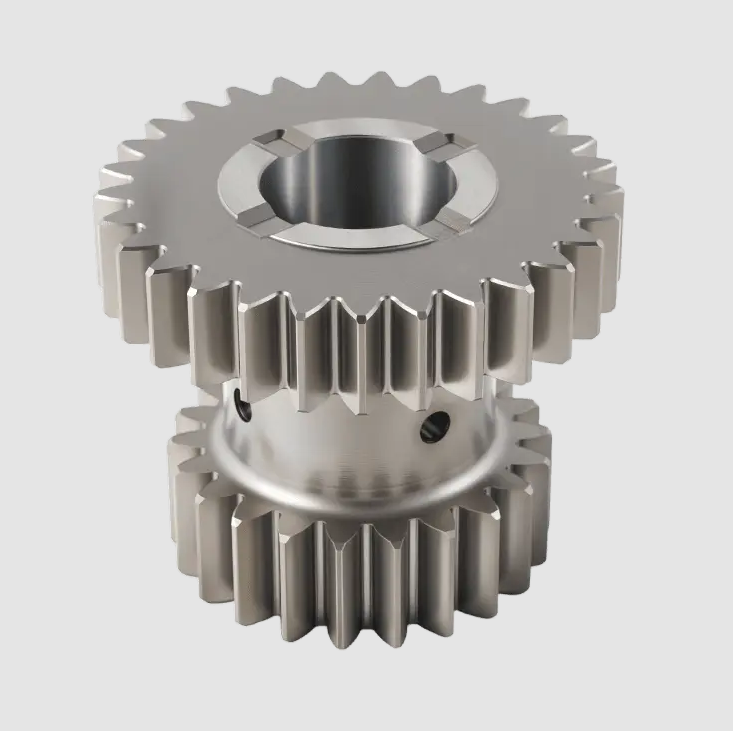
Repeated Small Loads Add Up
People often associate gear wear with dramatic events such as overloading or impact damage.
Many maintenance records suggest a different pattern.
Years of normal operation can leave a clearer signature than a single heavy-duty event.
Consider a delivery vehicle making dozens of stops every day.
The repeated acceleration, braking, turning, and load changes may seem routine.
Individually, none of those actions appears significant.
Together, they create thousands of loading cycles moving through the drivetrain.
A set of axle gears experiences each one.
Months later, the effects are still too small to notice.
Several years later, technicians may begin observing subtle differences during inspection.
Sound Often Changes Before Performance
One interesting aspect of drivetrain maintenance is that drivers frequently report sound-related observations before reporting functional problems.
The vehicle still operates normally.
There are no warning lights.
Fuel consumption appears unchanged.
Yet something feels slightly different.
Sometimes the sooner clue is a faint whine at a particular speed.
Sometimes it appears only during deceleration.
In other cases, the sound is so subtle that it disappears beneath road noise unless someone already knows what to listen for.
Experienced mechanics pay attention to these reports because they often provide an opportunity to investigate before larger repairs become necessary.
Looking At Wear As A Record Of Use
When maintenance teams inspect axle gears, they are not only checking for damage.
They are often trying to understand how the vehicle has been used.
Wear patterns can reveal long-term operating habits that may never appear in service records.
Consistent highway driving leaves one story.
Frequent stop-and-go operation leaves another.
Heavy towing creates its own pattern.
For this reason, technicians sometimes spend as much time studying the location and shape of wear marks as they do measuring them.
The gears become a kind of mechanical record book. Long after a vehicle has completed thousands of trips, the contact surfaces still contain clues about the conditions they experienced along the way. Understanding those clues often helps maintenance teams make better decisions about future inspections, repairs, and operating practices.
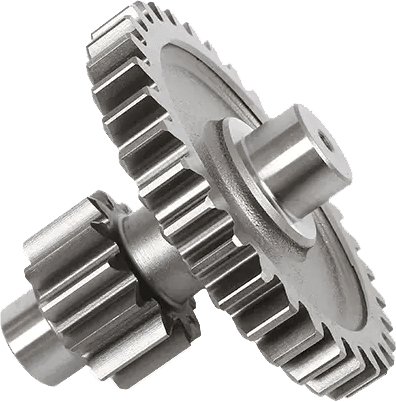
-
William Weber:
Phone: +86-13968651722
E-mail: sales01@hsgearworks.com -
Address:
No.9 East Section, Jianan Avenue, Taizhou Bay New District, Taizhou City, Zhejiang Province, China, 318052
Copyright @ Zhejiang Haoshun Machinery Technology Co., Ltd. All Rights Reserved.
Precision Gears Manufacturer
