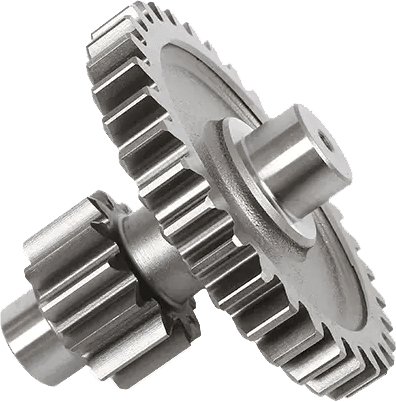
In the powertrain systems of commercial electric vehicles, the reduction gearbox serves as a critical link in power transmission. Its primary function is to modify the high-speed, low-torque output generated by the electric motor, converting it into a low-speed, high-torque state suitable for vehicle propulsion. Typically situated between the drive motor and the wheels, this assembly achieves power conversion through a process of multi-stage gear meshing.
The internal structure of a reduction gearbox generally comprises components such as an input shaft gear set, reduction gear pairs, an output shaft, and supporting bearings. These various parts are precisely fitted together to ensure stable power transmission while simultaneously small energy loss. Given the high operational loads characteristic of commercial vehicles, gearbox designs in this sector place particular emphasis on structural compactness and balanced load-bearing capabilities.
Characteristics of Power Transmission and Torque Distribution
During actual operation, the power output from the electric motor enters the input end of the reduction gearbox. Through a process of sequential gear meshing, the rotational speed is progressively reduced while the torque is simultaneously amplified. This process necessitates a high degree of meshing precision between the gears to small energy dissipation and ensure smooth, stable transmission.
In multi-stage reduction configurations, the load distribution across the various gear stages is relatively balanced; this helps mitigate the phenomenon of stress concentration on any single gear component. Furthermore, the contact stresses generated during gear meshing are gradually dispersed across the gear tooth surfaces, thereby enhancing overall operational stability.
Additionally, the reduction ratio is typically configured to align with the specific application of the vehicle—for instance, the reduction gearbox configurations for urban delivery vehicles may differ significantly from those designed for long-haul transport vehicles.
Key Structural Types and Functional Characteristics
| Structural Type | Composition Method | Functional Characteristics | Application Scenarios |
| Single-Stage Reduction | Single set of meshing gears | Simple structure; high efficiency | Light commercial vehicles |
| Multi-Stage Reduction | Multiple sets of gears in series | Strong torque amplification capability | Medium-to-heavy transport vehicles |
| Planetary Gear | Combination of sun and planet gears | Compact structure; balanced load distribution | Electric drive systems |
| Right-Angle Drive | Combination of bevel gears | Alters direction of power transmission | Vehicles with specialized layouts |
When designing such systems, the selection of a specific structural form must be carefully coordinated with the available spatial layout and the vehicle's specific power requirements to ensure good system compatibility and performance.
Material Selection and Manufacturing Process Characteristics
Gears within a reduction gearbox are typically fabricated from alloy steel or high-strength carburized steel to meet the demands of long-term, high-load operation. During the manufacturing process, heat treatment techniques are employed to enhance the hardness of the gear teeth surfaces while preserving internal toughness, thereby bolstering impact resistance.
In the machining phase, precise control over gear geometry is paramount; key parameters include tooth profile error, deviation, and pitch uniformity. Common machining methods include hobbing, grinding, and precision dressing, with different processes tailored to meet specific precision grade requirements.
During the assembly stage, the gear meshing clearance must be strictly controlled to small vibration and noise during operation, while simultaneously big power transmission efficiency.
Operational Conditions and Maintenance Essentials
Throughout its long-term service life, a reduction gearbox is subjected to continuously fluctuating torque loads; consequently, its lubrication status plays a critical role in determining its overall performance. Lubricating oil forms a protective film between the gear teeth surfaces, thereby reducing the likelihood of direct metal-to-metal contact and effectively small wear.
Routine operational monitoring typically encompasses parameters such as gear meshing status, bearing temperature rise, and vibration levels. Should abnormal vibrations or elevated temperatures be detected, it is generally necessary to inspect the lubrication system or the condition of the gear meshing interface.
Furthermore, the integrity of the sealing structure is crucial for maintaining internal cleanliness; if external contaminants infiltrate the gearbox interior, the rate of gear tooth wear may be significantly accelerated.
Adaptation Characteristics for Commercial Vehicle Applications
Commercial electric vehicles impose rigorous requirements regarding the adaptability of reduction gearboxes, with particular emphasis placed on sustained load-bearing capacity and operational stability. Under operating conditions characterized by frequent start-stops or prolonged continuous running, the gearbox must consistently maintain stable power output characteristics.
The structural configuration of the reduction gearbox is often customized to suit the specific demands of various transportation scenarios. For instance, gearboxes designed for urban delivery vehicles prioritize responsive start-stop performance, whereas those intended for long-haul transport vehicles place greater emphasis on sustained load stability.
Overall, the reduction gearbox serves as a core component within the powertrain system of commercial electric vehicles, fulfilling a critical energy conversion function. Consequently, both its structural design and its operational status directly influence the vehicle's overall dynamic performance and operational efficiency.