

 English
 Español
 Deutsch


A gear used in a tractor transmission does not necessarily serve the same purpose as one installed in a harvester or agricultural implement. Although components may look similar, their positions withi...
READ MORE
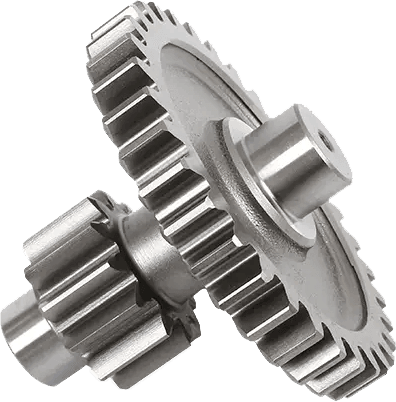
Agricultural Machinery Gears
Agricultural Machinery Gears covers drivetrain and power-transmission parts for tractors, harvesters and agricultural implements. Key priorities are field reliability, shock loading, and durability in dust for repeatable parts in series production. Common deliverables include PTO and drivetrain gears, gear shafts and splines, and implement gearbox gear sets. At Haoshun Gearworks, the focus is repeatability: stable processes, clear checkpoints, and consistent output.
To keep performance consistent in series production, we control the process from material selection through heat treatment and final inspection. Depending on the design, we use forged blanks or bar stock, then apply controlled heat treatment to balance hardness and toughness. Machining focuses on interface accuracy, and tooth finishing is selected to match your noise and life targets. We verify critical dimensions and interface fits so your assembly line sees predictable parts, batch after batch.
Support includes drawing review, DFM feedback, sampling, ramp-up planning, and export-ready packing with rust prevention. Documentation such as material certificates (EN 10204 3.1), inspection reports, and warranty letters is available for approval workflows. As an export-focused gear manufacturer, Haoshun Gearworks supports OEM and gearbox customers with stable supply and responsive communication. For repeat orders, we keep process parameters stable to reduce variation and shorten re-approval cycles.
About

Zhejiang Haoshun Machinery Technology Co., Ltd.
Zhejiang Haoshun Machinery Technology Co., Ltd. is located in Taizhou Bay Industrial Park, Jiaojiang District, Taizhou City, Zhejiang Province. Spanning a total area of more than 56,000 square meters and featuring a substantial building area of 70,000 square meters, the company is a technology-based enterprise specializing in the production of precision gears, shafts, gear sleeves, gear rings, and a variety of other essential components. These products serve a broad spectrum of industries, including automotive, agricultural machinery, construction machinery, and reducer applications.
At the core of the company's strength lies its advanced production and testing equipment, which together form a comprehensive closed-loop production system. Every stage of manufacturing, from blank forging to rough machining, precision machining, and heat treatment, is conducted in-house, ensuring rigorous quality control and high-efficiency output. This vertically integrated approach allows the company to maintain superior product consistency and accelerate delivery times while meeting the evolving demands of clients.
Supporting this robust manufacturing infrastructure is a highly skilled team of 360 employees, including 15 senior and intermediate technical personnel and 25 professionals dedicated to quality management and inspection. Their collective expertise continuously refines the company's product design and manufacturing capabilities, ensuring that every component is produced with exceptional precision and performance reliability.
Haoshun Machinery's product portfolio finds extensive application across multiple sectors. By supplying critical drivetrain components to the automotive, agricultural machinery, construction machinery, and reducer industries, the company has developed the flexibility to offer customized gear products and integrated solutions tailored to the specific needs of diverse clients.
Financially, the company has demonstrated robust growth with annual sales revenue reaching 450 million RMB. This success is underpinned by a lean and agile operational team that has forged enduring partnerships with major OEMs and industry-leading clients, further solidifying the company's reputation as a reliable and strategic partner.
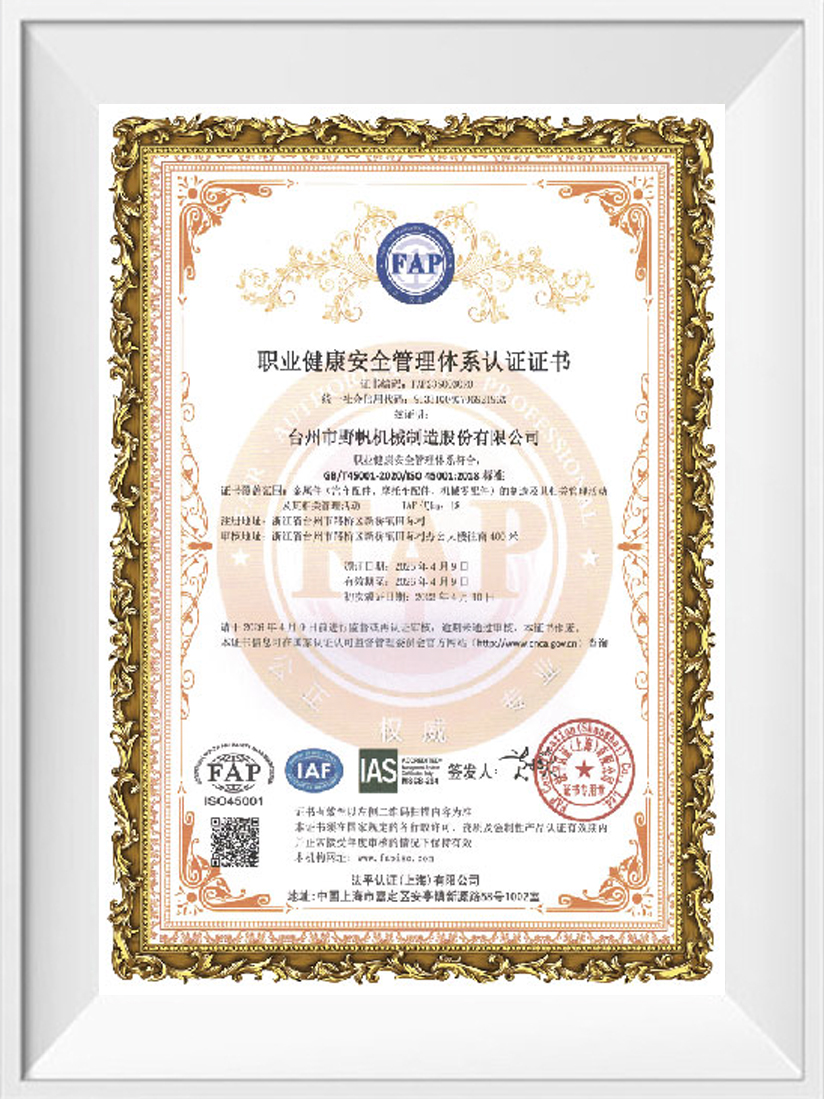
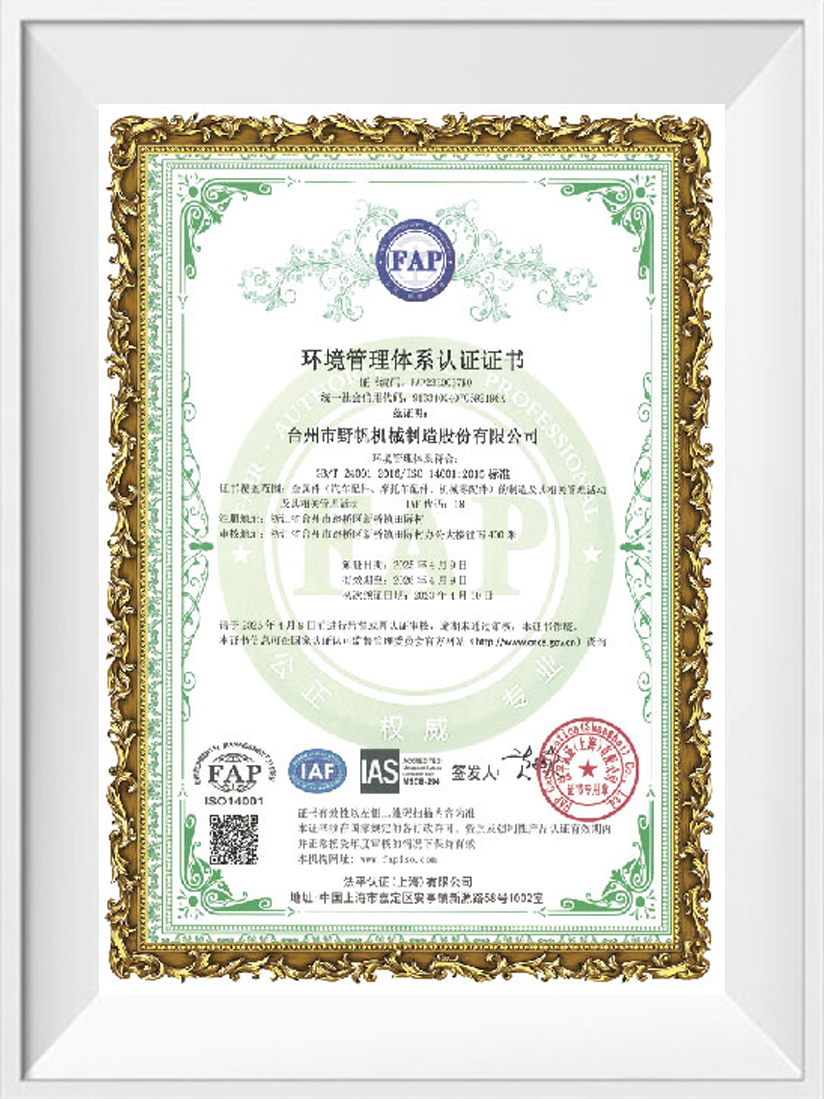
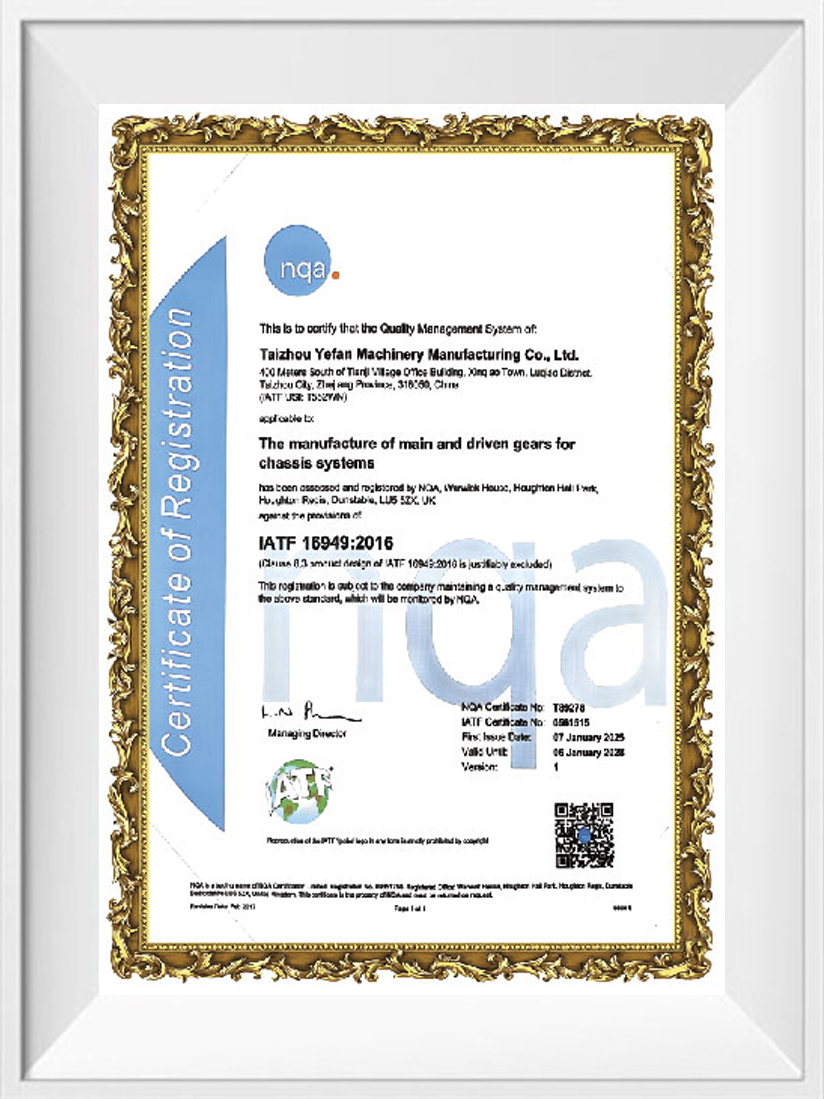
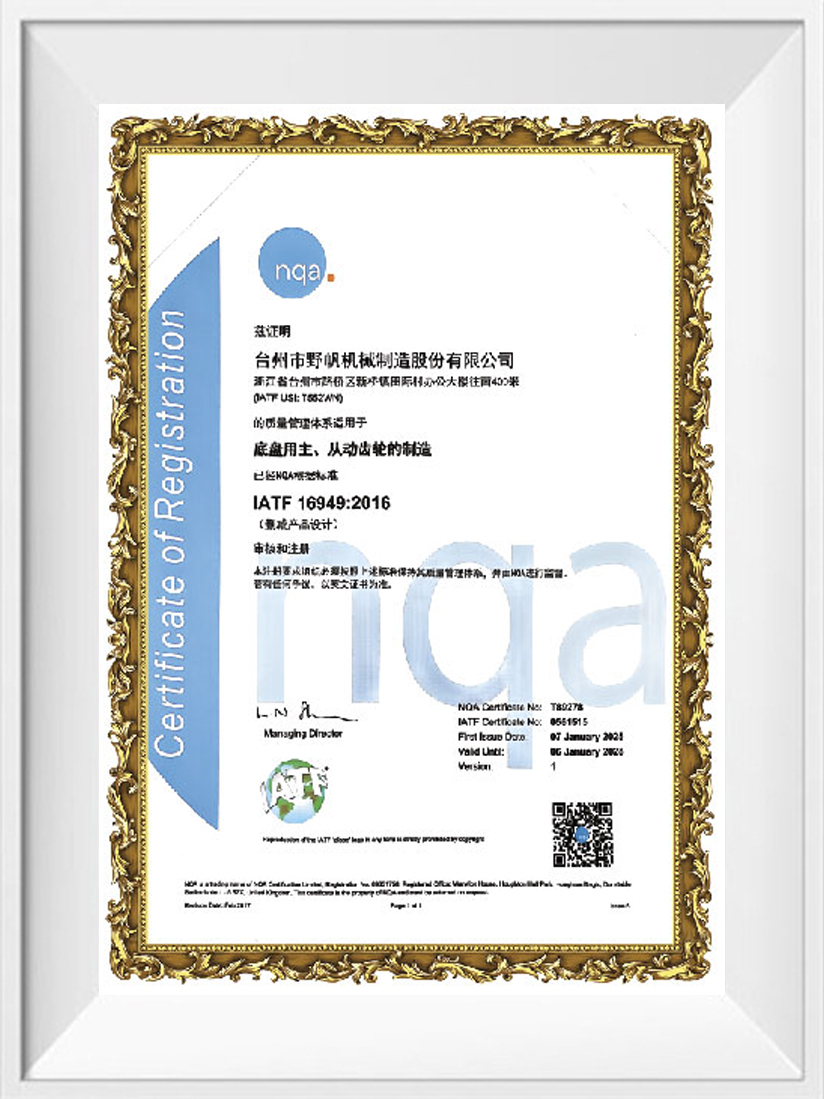
Quality assurance remains a cornerstone of Haoshun Machinery's operations. Since achieving IATF 16949 certification in 2013, the company has embedded a comprehensive quality management system across all levels of its workforce, ensuring that every product leaving the facility conforms to stringent international standards. This commitment to excellence has earned the company multiple accolades, including recognition as a Top 100 Chinese Quality Credit Enterprise, an AAA-level Credit Enterprise, and an Outstanding Enterprise.
Looking ahead, Zhejiang Haoshun Machinery Technology Co., Ltd. remains steadfast in its guiding philosophy of “Innovation-driven, Quality First.” The company is committed to advancing its research and development capabilities, expanding its presence in both domestic and international markets, and striving to become a globally recognized leader in gear and transmission system solutions. Through continuous innovation and an unwavering focus on customer satisfaction, Haoshun aims to deliver not only high-quality, high-precision Agricultural Machinery Gears but also comprehensive technical support and tailored solutions to clients around the world.
Certificate Of Honor
News
-
-
Heavy-duty Gear Manufacturing changes character as parts grow. A small gear can be heated, quenched, and ground with few surprises, while a gear ring or a large drive gear moves, twists, and cools une...
READ MORE -
Commercial Vehicle Gear Manufacturing covers a family of parts that look similar on a drawing and work very differently inside a gearbox. A truck transmission holds low gears that haul a loaded vehicl...
READ MORE -
A tracked excavator climbing out of a trench does not load its drivetrain gently. The track catches on a rock, the machine lurches, and the torque that was steady a moment earlier arrives as a hammer ...
READ MORE -
A gear cut for a factory conveyor and a gear cut for a passenger car transmission can start from the same basic tooth profile, yet the two rarely share a precision grade once the drawing gets specific...
READ MORE -
Carburized and quenched steel has been the default material for automotive gears for decades, and it remains the mainstream choice for electric drivetrains today. What's changed is that it no longer s...
READ MORE -
Precision Gears And Shafts form the core of many mechanical transmission systems. Gears transfer rotational motion and torque, while shafts support the rotating components and transmit power between c...
READ MORE -
Inside a transmission system, the final transfer of rotational force depends on several components working together. An Output Gear Shaft is one of the parts that carries this process toward the drive...
READ MORE -
The demand for compact mechanical transmission systems is placing greater attention on how individual gear components contribute to overall equipment layout. A Hollow Worm Gear offers an interesting s...
READ MORE -
Gear conversations typically center on transmitting rotational power from one shaft to another, but a surprising number of mechanical systems need the opposite: turning rotation into straight-line mov...
READ MORE -
An internal combustion engine masks gear whine that would be immediately obvious in an electric vehicle, since there is no engine noise left to cover it once the motor becomes the loudest thing under ...
READ MORE -
A gear that meets every dimension on an inspection report can still get rejected during a supplier qualification audit if the paperwork behind it cannot answer a simple question: which batch of raw ma...
READ MORE
Industry knowledge
Agricultural machinery plays a vital role in modern agricultural production by performing critical power transmission and operational execution tasks. As a core component of this machinery, the transmission system directly influences the stability of equipment operation and its operational efficiency. Gears, serving as key mechanical elements within the transmission system, play an indispensable role in the process of power transmission.
The Fundamental Role of Gears in Agricultural Machinery
A gear is a mechanical component that facilitates power transmission and motion conversion through the meshing of its teeth with those of another gear. In agricultural machinery, the power output from the engine typically undergoes adjustment through a multi-stage transmission system to meet the specific requirements of various operational mechanisms—such as plowing, sowing, and harvesting.
The primary functions of gears include:
- Changing the direction of power flow
- Adjusting the ratio of rotational speed to torque
- Distributing power to multiple actuating mechanisms
- Enhancing overall transmission efficiency
Through the use of appropriate gear combinations, agricultural machinery is able to adapt effectively to complex field operating environments.
The Working Principles of Gear Transmission
The core principle of gear transmission lies in utilizing the meshing relationship between two or more gears to transmit power from a driving shaft to a driven shaft. The driving gear rotates under the influence of the input power; its tooth surfaces exert force upon the driven gear, causing it to rotate and thereby achieving the transfer of energy.
The fundamental process can be summarized as follows:
- The power input shaft drives the driving gear to rotate.
- Forces are generated between the gears through the contact of their tooth surfaces.
- The driven gear undergoes a change in rotational speed proportional to the gear ratio (number of teeth).
- The output shaft receives the adjusted power output.
Gear transmission is characterized by high transmission precision and stability, making it well-suited for agricultural machinery and equipment that require continuous operation under load.
Gear Structures and Type Characteristics
Based on their tooth profiles and arrangement configurations, the gears commonly found in agricultural machinery can be categorized into various types, each exhibiting distinct performance characteristics under different operating conditions.
- 1. Cylindrical Gears
Cylindrical gears represent the more common form of gearing and are utilized for transmitting power between parallel shafts. They feature a simple structure and are easy to manufacture, making them suitable for use in the transmission systems of agricultural machinery subject to moderate loads.
- 2. Bevel Gears
Bevel gears are employed to transmit power between intersecting shafts. They are typically found in components where a change in power direction is required—such as in steering systems or auxiliary drive mechanisms.
- 3. Worm Gears
Worm gears are capable of achieving high transmission ratios, making them suitable for applications requiring significant speed reduction; additionally, they possess inherent self-locking characteristics.
- 4. Planetary Gears
Planetary gears feature a compact structure and high load-carrying capacity, making them ideal for mechanical systems where space is limited yet multi-stage transmission is required.
Analysis of the Advantages of Gear Transmission
Gear transmission is widely utilized in agricultural machinery, primarily due to its multifaceted performance advantages.
- 1. High Transmission Efficiency
Gear meshing involves direct contact transmission, resulting in small energy loss and the ability to maintain high efficiency during continuous operation.
- 2. High Load-Carrying Capacity
Gears transmit loads through contact between their tooth surfaces, enabling them to withstand substantial torque—a capability well-suited to the complex load conditions encountered in field operations.
- 3. Good Operational Stability
Gear structures possess high rigidity; consequently, they are less prone to generating slippage errors during prolonged operation, thereby contributing to the stable running of the equipment.
- 4. Adaptability to Diverse Operating Conditions
By combining different gear configurations, a wide range of speed and torque variations can be achieved, effectively meeting the diverse operational requirements of modern agriculture.
- 5. Long Service Life
Under conditions of proper lubrication and maintenance, gear systems can maintain stable performance over extended periods.
Application Scenarios in Agricultural Machinery
Gear transmission systems are extensively employed across a wide array of agricultural machinery, playing a pivotal role throughout the entire operational workflow.
- Tractor Power Take-Off (PTO) Systems
- Cutting and Conveying Mechanisms in Harvesting Machinery
- Precision Control Devices in Seeding Equipment
- Drive Systems for Irrigation Equipment
- Power Distribution Structures in Tillage and Land Preparation Machinery
Depending on their specific functional requirements, different types of equipment utilize various gear combinations to effectively meet actual operating conditions.
Key Maintenance Points for Gear Transmission Systems
To ensure the stable operation of gear systems in agricultural machinery, routine maintenance is of paramount importance.
- Regular Lubrication: Reduces tooth surface wear and smalls frictional losses.
- Inspection of Meshing Status: Prevents abnormal wear or misalignment of gear teeth.
- Load Management: Avoids damage caused by prolonged operation under excessive loads.
- Removal of Contaminants: Prevents the ingress of dirt and debris into the gearbox, which can compromise meshing precision.
- Monitoring of Clearances: Ensures that transmission precision remains consistent and stable.
Proper maintenance serves to extend the service life of gear systems while sustaining the operational efficiency of the machinery.
Comparison Table of Gear Types and Characteristics
| Gear Type | Transmission Direction Characteristics | Structural Characteristics | Applicable Scenarios | Key Advantages |
| Cylindrical Gears | Parallel-axis transmission | Simple structure | General power transmission systems | High efficiency, easy to manufacture |
| Bevel Gears | Intersecting-axis transmission | Conical tooth surfaces | Direction-changing transmission mechanisms | Capable of altering power direction |
| Worm Gears | Perpendicular-axis transmission | Combination of worm and worm wheel | Equipment requiring large reduction ratios | Strong reduction capability, compact structure |
| Planetary Gears | Coaxial or compound transmission | Multi-gear assembly structure | Complex power distribution systems | High load-bearing capacity, compact structure |


Submit feedback
Let’s Build Your Perfect product.
-
William Weber:
Phone: +86-13968651722
E-mail: sales01@hsgearworks.com -
Flora:
Phone: +86-13738533719
E-mail: sales05@hsgearworks.com -
Address:
No.9 East Section, Jianan Avenue, Taizhou Bay New District, Taizhou City, Zhejiang Province, China, 318052
Copyright @ Zhejiang Haoshun Machinery Technology Co., Ltd. All Rights Reserved.
China Agricultural Equipment Gears
