

 English
 Español
 Deutsch


Agricultural Machinery Gear Manufacturing Across Equipment Types
Where Engineering Excellence Meets Reliable Transmission
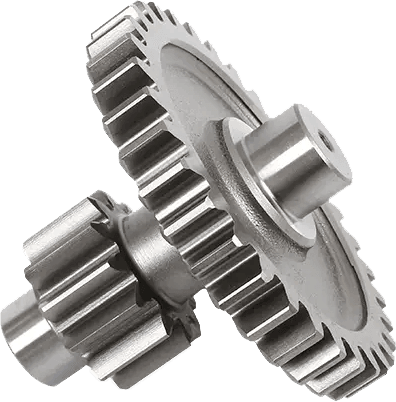
A gear used in a tractor transmission does not necessarily serve the same purpose as one installed in a harvester or agricultural implement. Although components may look similar, their positions within a machine determine how they connect to other parts and what the assembly requires. Agricultural Machinery Gear Manufacturing therefore depends on identifying the intended application before confirming the final component specification.
Different Machines Have Different Drive Requirements
Tractor transmission gears help manage speed and torque as the machine operates under changing conditions. Power take-off (PTO) gears transfer rotational power to attached equipment, while gears in harvesters and other agricultural machinery drive mechanisms designed for specific working tasks.
These differences affect how an OEM defines a gear before requesting a quotation. Suppliers need to understand the component's position, mating parts and intended operating conditions. A drawing provides essential dimensions and tooth geometry, while application details help clarify which interfaces and requirements need particular attention.
For Agricultural Machinery Gear Manufacturing, identifying the application early also helps prevent a sourcing problem: comparing quotations for components that appear similar but are intended for different assemblies.
Tractor Transmission and PTO Gears

A tractor transmission and a PTO system may share the same power source, but their gears are not automatically interchangeable. Transmission gears work within the speed-selection system, whereas PTO gears transfer power to external equipment. Their shaft connections, mounting arrangements and operating requirements can differ.
When sourcing Agricultural Machinery Gear Manufacturing services, buyers should specify whether the component belongs to the transmission, PTO drive or another auxiliary system. The part number, mating shaft and drawing revision should be confirmed before sample approval.
This distinction is useful when an OEM purchases several gear families for one tractor platform. Similar names or appearances cannot establish compatibility; the component must match the intended assembly.
Harvester and Implement Applications
Harvesters, seeders, balers and other agricultural implements use gears in a variety of drive systems. Some transfer power through a gearbox, while others operate within mechanisms designed for particular tasks. Their working cycles and connections to adjacent components influence the requirements for each part.
The machine category alone cannot define a complete specification. The supplier also needs information about the gear's position, mating components and equipment manufacturer's requirements. In Agricultural Machinery Gear Manufacturing, this application review turns a broad request into a clearer component brief and helps identify missing information before sampling begins.
Review Drawings and Mating Interfaces
A gear drawing contains essential manufacturing information, but the component must also fit its intended assembly. Bore dimensions, splines, mounting faces and other interfaces may determine how the gear connects to a shaft or neighboring part.
Before placing an Agricultural Machinery Gear Manufacturing order, buyers should provide the current drawing and clarify any requirements that are not fully documented. Information about the mating shaft or gearbox arrangement can help resolve questions about component interfaces.
Revision control matters when developing replacement parts. If the surrounding machine assembly has changed, an older drawing may no longer reflect the current requirement. Confirming the correct revision helps keep quotations, samples and production orders aligned.
Sampling for the Intended Assembly
A sample should be evaluated against a defined application, not just its appearance. Dimensional checks remain important, but the review should also establish that the component matches the correct gear position and mating arrangement.
For Agricultural Machinery Gear Manufacturing, the approval record can include the part number, drawing revision and intended assembly. If engineering changes are requested after evaluation, the updated requirements should be documented before production proceeds.
This approach is particularly useful for OEM programs involving multiple related components. Clear part references help purchasing and engineering teams distinguish similar items and manage repeat orders with fewer misunderstandings.
Prepare a Clear Sourcing Request
A useful sourcing request identifies the machine and transmission position, includes the applicable drawing, confirms critical interfaces and describes any specific operating requirements. The supplier can then review the information and raise questions before manufacturing begins.
For Agricultural Machinery Gear Manufacturing, application details provide a common reference for the equipment maker and gear supplier. They help distinguish components that may look alike but serve different functions, making quotation and sample review more straightforward.
Haoshun Gearworks lists agricultural machinery gears for applications including tractors, harvesters and agricultural implements. For a specific OEM project, the actual part drawing and assembly requirements should determine the configuration. Defining these details at the beginning gives both sides a clearer basis for discussing the sample, production order and repeat supply.
-
William Weber:
Phone: +86-13968651722
E-mail: sales01@hsgearworks.com -
Address:
No.9 East Section, Jianan Avenue, Taizhou Bay New District, Taizhou City, Zhejiang Province, China, 318052
Copyright @ Zhejiang Haoshun Machinery Technology Co., Ltd. All Rights Reserved.
Precision Gears Manufacturer
