

 English
 Español
 Deutsch

EV Gear Material Choices Extend Beyond Carburized Steel
Where Engineering Excellence Meets Reliable Transmission
Carburized and quenched steel has been the default material for automotive gears for decades, and it remains the mainstream choice for electric drivetrains today. What's changed is that it no longer sits alone as the obvious answer. An EV Gear program now regularly weighs carburized steel against powder metallurgy components, medium-carbon alloy options, and even high-performance engineering plastics, depending on where in the drivetrain the gear sits and what load it actually carries.
Contact Fatigue Strength Has Moved the Baseline Higher
Carburized and quenched steel remains the mainstream choice for EV Gear applications, and refinements in carbon content and alloy composition have pushed contact fatigue strength on this material past 1,800 MPa in current production. This matters because electric motors deliver torque differently than an internal combustion engine, applying high instantaneous force across a wider speed range than a typical gasoline drivetrain ever produces on an EV Gear application. A gear material rated for yesterday's fatigue targets doesn't necessarily hold up under this kind of load profile, which is part of why alloy refinement in carburized steel has continued rather than settling at an earlier performance plateau.
Powder Metallurgy Is Closing the Gap With Forged Steel
Powder metallurgy gears, formed through near-net-shape processes that reduce material waste significantly compared to conventional machining, have reached densities above 7.4 g/cm³ in current formulations. This density level brings performance closer to forged steel than earlier powder metallurgy generations achieved, making it a more viable option for EV Gear applications where material efficiency matters alongside mechanical performance. A powder metallurgy gear built to this density standard suits components where near-net-shape forming reduces both material cost and machining time without giving up the load capacity a drivetrain component needs.
Medium-Carbon Alloy Steel Serves a Distinct Cost Position
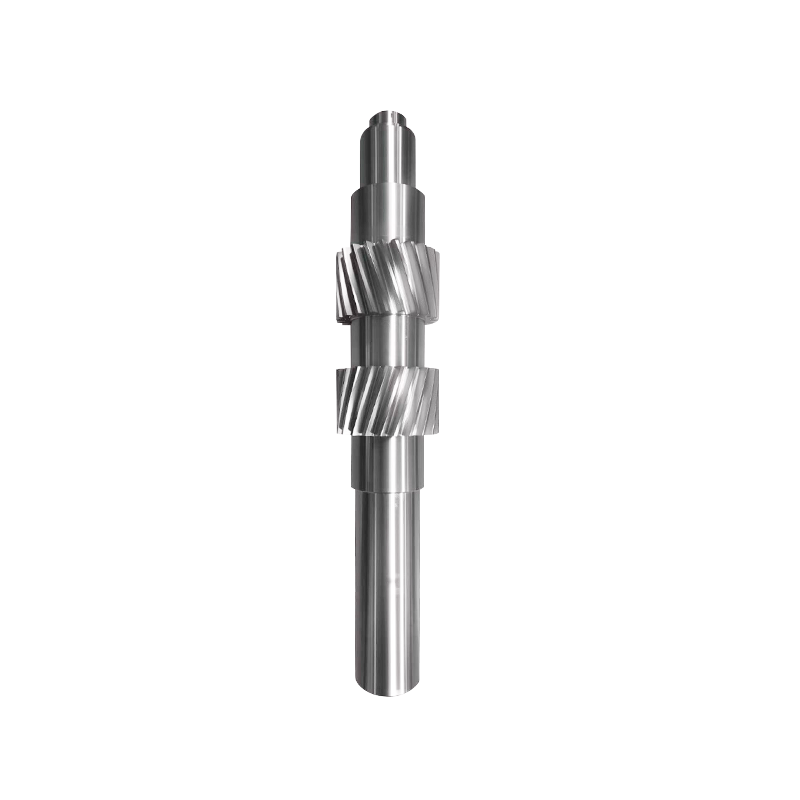
Quenched and tempered medium-carbon alloy steel occupies a different position in the material lineup, suited to medium-load operating conditions rather than the highest-stress applications carburized steel typically handles. This option carries a distinct cost advantage, which is part of why it sees wider use in commercial vehicle drivetrains where load profiles differ from passenger EV applications and cost sensitivity plays a larger role in material selection. Choosing between this option and carburized steel for an EV Gear typically comes down to matching material capability to the actual duty cycle a component will see, rather than defaulting to the highest-spec material across every gear in a drivetrain.
Heat Treatment Refinements Are Reshaping Production Timelines
Low-pressure carburizing technology has shortened carburizing cycle time by more than 30 percent in current implementations, while also reducing the internal oxidation defects that older atmospheric carburizing processes were more prone to introducing. Vacuum high-pressure gas quenching has similarly improved both deformation control and surface hardness uniformity compared to older quenching methods. These heat treatment refinements matter for carburized alloy steel components specifically, since the treatment stage is what converts a machined blank into a gear capable of handling the fatigue and wear demands electric drivetrains place on it.
Surface Modification Adds Wear Resistance Without Changing the Base Material
Ion implantation and physical vapor deposition techniques allow manufacturers to enhance wear resistance and anti-scuffing performance on high-speed gear teeth without altering the properties of the underlying base material. This kind of gear surface treatment has become more relevant as EV Gear motor speeds climb toward 15,000 or 20,000 RPM, since tooth surfaces at these speeds experience wear patterns that differ from the lower-speed operation typical of internal combustion drivetrains. Applying a surface treatment rather than switching the entire component to a harder, more expensive base material offers a way to address this wear demand without redesigning the gear from the ground up.
Manufacturing Precision Has to Keep Pace With Material Advances
Material improvements only translate into working performance if manufacturing precision keeps up, which is why high-precision gear grinding has remained the primary method for achieving the ISO 1328 Grade 5 tolerances that current EV reducer gears commonly require. Some high-performance applications are already working toward Grade 4 and exploring pathways to Grade 3 precision, reflecting how closely material capability and machining accuracy have to move together as electric drivetrain speeds continue climbing. Zhejiang Haoshun Machinery Technology Co., Ltd. develops gear components across this range of material and precision requirements, applying heat treatment and machining processes suited to the specific load and speed profile each drivetrain application presents.
-
William Weber:
Phone: +86-13968651722
E-mail: sales01@hsgearworks.com -
Address:
No.9 East Section, Jianan Avenue, Taizhou Bay New District, Taizhou City, Zhejiang Province, China, 318052
Copyright @ Zhejiang Haoshun Machinery Technology Co., Ltd. All Rights Reserved.
Precision Gears Manufacturer
