

 English
 Español
 Deutsch

How Do Precision Gears And Shafts Support Power Transmission?
Where Engineering Excellence Meets Reliable Transmission
Precision Gears And Shafts form the core of many mechanical transmission systems. Gears transfer rotational motion and torque, while shafts support the rotating components and transmit power between connected assemblies. Their dimensional accuracy, material condition, heat treatment, and interface quality directly affect meshing, alignment, operating noise, and service life.
For automotive, agricultural machinery, construction equipment, reducers, and industrial machinery, the required gear and shaft design depends on the working load, rotational speed, installation space, and transmission structure. Zhejiang Haoshun Machinery Technology Co., Ltd. manufactures precision gears, shafts, gear sleeves, gear rings, and other transmission components for these applications.
Gear And Shaft Accuracy In Transmission Systems
The performance of Precision Gears And Shafts depends on how accurately the components work together. Gear teeth must maintain suitable contact during rotation, while shaft interfaces must support correct positioning inside the transmission assembly. Errors in tooth geometry, concentricity, or mounting dimensions can affect vibration, noise, and wear.
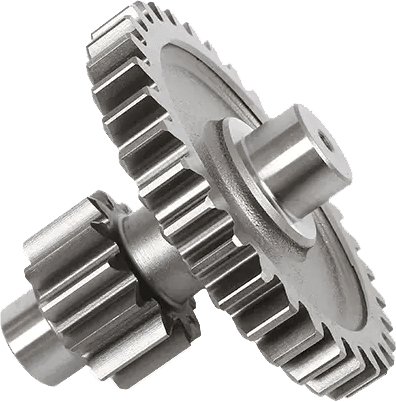
Different transmission systems require different gear structures. Spur gears are used for straightforward power transmission, while helical gears can support smoother engagement. Gear shafts combine a gear and shaft into one component, reducing the need for separate assembly in selected designs. The appropriate structure depends on the transmission layout and the available installation conditions.
Haoshun supplies gear and shaft components for vehicle transmissions, axles, differentials, reducers, pumps, compressors, conveyors, and other industrial equipment. These applications require the manufacturer to maintain consistent dimensions across repeated production batches.
Material Selection And Heat Treatment
The material selection for Precision Gears And Shafts depends on the load, impact conditions, and expected operating life. Steel is commonly used for transmission components because it can provide a suitable balance between strength, toughness, and machinability. The selected material must also be compatible with the required heat treatment and machining process.
Haoshun uses qualified steel and forged blanks when the application requires higher strength. Forging can help establish a dense internal structure before machining. Heat treatment is then controlled to achieve the required hardness and stability while managing possible distortion.
The final performance of a gear or shaft depends on the relationship between its surface and core properties. A hard working surface can support wear resistance, while a tougher core can help withstand operating loads. The exact treatment should follow the component drawing and application requirements rather than a general specification.
Precision Machining Of Functional Interfaces
The machining stage gives Precision Gears And Shafts their final functional dimensions. Gear teeth, bearing seats, splines, mounting faces, and shaft diameters must remain within the approved tolerances so that the components can fit the intended assembly.
Haoshun’s production system includes rough machining, precision machining, gear hobbing, shaping, grinding, and other processing equipment. The process route depends on the component structure and the required accuracy. Gear finishing may be selected according to the expected noise, load, and service requirements.
For shafts, the accuracy of bearing seats and splined sections is particularly important. These interfaces affect how the shaft rotates and connects with other transmission components. For gears, tooth profile and contact consistency influence how the gear pair transfers motion and torque.
Applications Across Different Machinery
The use of Precision Gears And Shafts extends across several equipment categories. In vehicles, transmission gears and axle components transfer power through the drivetrain. In agricultural machinery, gears and shafts support tractors, harvesters, and other equipment exposed to repeated loads and changing operating conditions.
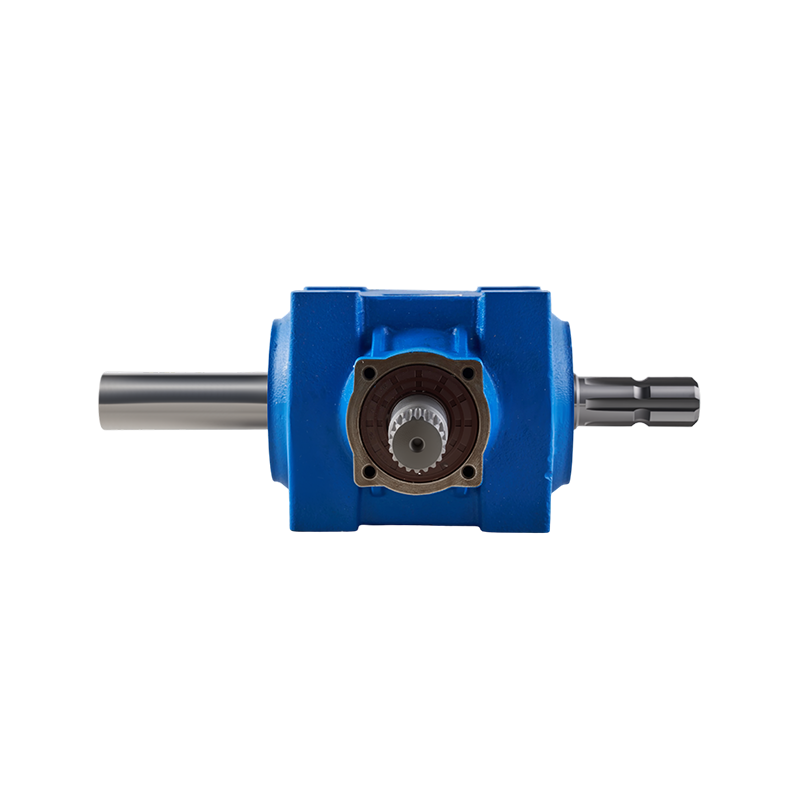
Construction machinery requires transmission components that can withstand demanding working cycles. Reducers, conveyors, pumps, compressors, and factory machinery also rely on accurately manufactured gears and shafts to maintain stable power transmission.
Haoshun’s product categories include vehicle gears, e-mobility and EV gears, off-highway and agricultural gears, construction and earthmoving gears, and industrial machinery gears. The company also produces components for wind turbine gearboxes, marine propulsion systems, printing machinery, and other specialized transmission applications.
Inspection And Production Consistency
The manufacture of Precision Gears And Shafts requires inspection at several stages. Material condition, heat treatment, machining accuracy, and final dimensions all contribute to the finished component’s performance. Inspection may cover critical dimensions, runout, concentricity, interface fits, and other drawing-specific requirements.
Haoshun operates an integrated production system covering blank forging, rough machining, precision machining, and heat treatment. This arrangement connects the main manufacturing stages and supports process control from the initial blank to the finished component.
Before shipment, Haoshun inspects finished products according to the approved specifications. The inspection process helps verify that the supplied gears and shafts meet the required dimensions, interfaces, appearance, and other agreed conditions. Batch traceability and inspection documentation can also support repeat orders and supplier qualification procedures.
Selecting Components For A Transmission Project
When sourcing Precision Gears And Shafts, buyers should provide the component drawing, material requirement, heat treatment specification, dimensional tolerances, surface finish, and intended application. The gear ratio, operating speed, torque, installation method, and expected working conditions can also affect the design.
A clear specification helps the manufacturer select the appropriate production route and inspection points. Buyers should confirm whether the order requires forged blanks, bar stock, specific tooth finishing, special surface treatment, or additional documentation.
Precision Gears And Shafts must be evaluated as functional transmission components rather than isolated metal parts. Material selection, heat treatment, machining accuracy, interface control, and inspection all contribute to reliable assembly and repeatable performance in automotive, agricultural, construction, and industrial machinery.
-
William Weber:
Phone: +86-13968651722
E-mail: sales01@hsgearworks.com -
Address:
No.9 East Section, Jianan Avenue, Taizhou Bay New District, Taizhou City, Zhejiang Province, China, 318052
Copyright @ Zhejiang Haoshun Machinery Technology Co., Ltd. All Rights Reserved.
Precision Gears Manufacturer
