

 English
 Español
 Deutsch

Round Shaft Rack And Pinion Converts Rotation Into Straight-Line Motion
Where Engineering Excellence Meets Reliable Transmission
Gear conversations typically center on transmitting rotational power from one shaft to another, but a surprising number of mechanical systems need the opposite: turning rotation into straight-line movement, precisely and repeatably. A round shaft rack and pinion assembly handles exactly this conversion, pairing a rotating pinion gear with a straight, toothed rack mounted on a round shaft profile, and the design shows up in everything from steering systems to linear actuation stages on industrial equipment.
Why the Round Shaft Profile Matters for This Application
A round shaft rack and pinion system differs from a flat-bar rack in how it mounts and guides linear travel, since the round profile allows the assembly to double as both the toothed drive surface and the structural guide rail supporting the moving load. This combined function reduces the number of separate components needed in a linear motion assembly, but it also means the round shaft has to be manufactured to tighter straightness and roundness tolerances than a standard shaft that only carries rotational load, since any deviation shows up directly as binding or uneven travel in the linear motion.
Linear Motion Gear System Design Considerations
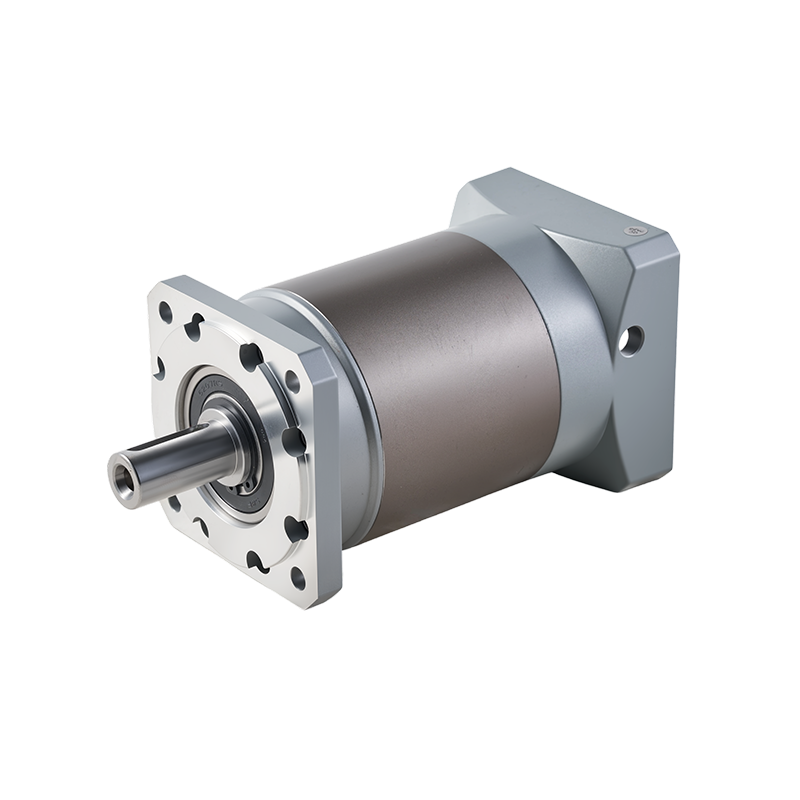
A linear motion gear system built around round shaft rack and pinion components needs the pinion tooth profile and the rack tooth spacing to match precisely across the entire travel length, since a cumulative pitch error that would be negligible on a short gear mesh becomes a meaningful positioning error over a long linear travel distance. Buyers specifying this component for a precision application, such as a machine tool axis or an automated assembly stage, should confirm the manufacturer's pitch accuracy tolerance across the full rack length, not just at a single measurement point, since manufacturing consistency across the entire length is what determines actual positioning repeatability in service.
Rack And Pinion Steering Gear Applications
A rack and pinion steering gear remains a widely recognized application of this mechanism, converting the rotational input from a steering wheel into the lateral movement that turns a vehicle's wheels, and the round shaft variant offers packaging advantages in tighter steering system layouts compared to a flat rack design. Buyers sourcing this component for automotive or off-highway steering applications should specify the exact load and travel requirements up front, since a round shaft rack and pinion assembly undersized for the actual steering effort required will wear prematurely at the tooth contact points well before other steering components show comparable wear.
Material and Heat Treatment for Load-Bearing Rack Surfaces
A round shaft rack and pinion assembly under continuous load benefits from carburized and hardened tooth surfaces on both the rack and pinion, since the repeated point contact between pinion tooth and rack tooth concentrates stress in a way that a softer, unhardened surface cannot withstand over an extended service life. Buyers should ask a supplier which heat treatment process is applied to both components, since a hardened pinion paired with an unhardened rack creates a mismatch where the softer component wears disproportionately fast and shortens the service life of the entire assembly.
Manufacturing Precision Behind Reliable Linear Travel
A factory producing its own round shaft rack and pinion components can control the machining sequence between the round shaft turning operation and the rack tooth cutting process, which matters because these two operations have to reference the same centerline precisely to avoid introducing a twist or offset along the shaft length. Buyers placing bulk orders should ask how straightness and pitch accuracy are verified across a full production batch of round shaft rack and pinion parts, not only on a qualification sample, since a manufacturing process that drifts slightly over a long production run can produce parts that pass an initial inspection but perform inconsistently once installed across multiple machines.
Customization and Bulk Supply for Industrial and Automotive Buyers
Buyers integrating a round shaft rack and pinion system into a new machine design or vehicle platform often need custom shaft lengths, modified tooth counts, or specific heat treatment depths to match an existing assembly, and a factory that builds these adjustments into its standard production workflow tends to hold tighter tolerances across the customized run than one treating each variation as a separate engineering exercise. Certification covering material sourcing and dimensional inspection records should be confirmed before committing to a bulk order of a round shaft rack and pinion assembly, since this documentation is what supports a buyer's own quality system once the components are installed in a customer-facing product.
-
William Weber:
Phone: +86-13968651722
E-mail: sales01@hsgearworks.com -
Address:
No.9 East Section, Jianan Avenue, Taizhou Bay New District, Taizhou City, Zhejiang Province, China, 318052
Copyright @ Zhejiang Haoshun Machinery Technology Co., Ltd. All Rights Reserved.
Precision Gears Manufacturer
