

 English
 Español
 Deutsch


Heavy Industrial Gear Manufacturing: Why Does Forging Matter?
Where Engineering Excellence Meets Reliable Transmission
Heavy Industrial Gear Manufacturing is often described by what happens at the end, in the grinding shop or on the inspection bench. The decisions with the largest effect on a mining, cement, or steel-mill gear are made much earlier, when a block of steel is still hot and being shaped into a blank. A gear tooth is as strong as the steel behind its root, and the way that steel was worked decides how it behaves under load.
Grain Flow Decides Where a Tooth Is Strong
Forged steel has a directional structure. As the metal is squeezed and stretched, its grains and inclusions line up along the direction of flow, much like the grain in a piece of timber. A bending load across that direction is resisted differently from a load along it, which is why forging is preferred to cutting a gear from bar stock when the part will carry heavy torque.
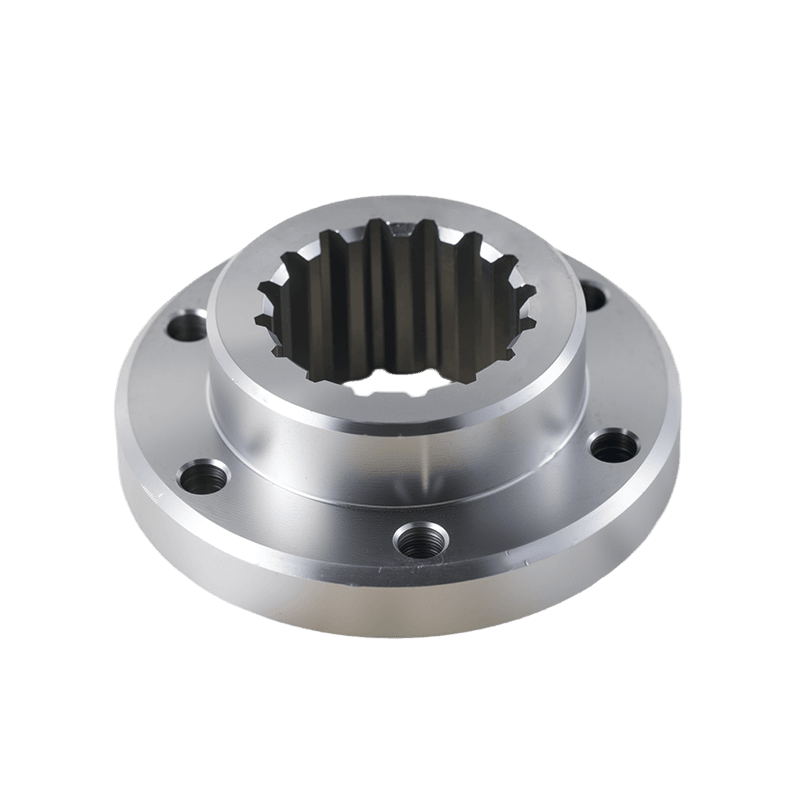
A forged ring suits gear rings and large wheels because the flow runs around the circumference. Teeth cut into the outer surface then have their roots in steel whose structure follows the rim instead of ending at the tooth flank. The same logic applies to shafts, where a forged blank keeps its flow along the length. Forged Gear Blanks give the heat treatment and the grinding a stable starting point, which is why forging comes in Heavy Industrial Gear Manufacturing routes.
Inside the Blank: What Gets Checked Before Cutting
Forging also closes small internal voids in a cast ingot, but that needs enough working of the metal. Forgers describe this with a reduction ratio: the cross-section before forging divided by the cross-section after. A bar of 300 mm diameter forged down to 170 mm gives a ratio of about 3.1, which is within the range commonly specified for gear steels, although the target is set for each part, and the ratio is a basic planning figure in Heavy Industrial Gear Manufacturing.
Before any tooth is cut, the blank is usually checked inside as well as outside. Ultrasonic testing sends sound through the steel and listens for echoes from voids or large inclusions that would sit directly in the load path of a heavy industrial gear tooth root. Hardness and microstructure checks on a sample section confirm that the forging and its heat treatment have produced the steel the drawing expects. A blank that passes these steps goes on to machining, while one that does not pass is set aside before it reaches the gear cutter.
Allowance for Movement and Finishing
In Heavy Industrial Gear Manufacturing, rough machining leaves extra material on the blank, called the machining allowance, and that figure ties the early stages to the late ones. Hardening operations move large parts slightly, so the blank carries enough spare steel for the finishing passes to clean up the movement and still reach the final size. A ring that is expected to shift by one or two millimetres on its diameter, for example, might be left with an allowance of several millimetres per side before the final turning and grinding.
The allowance cuts both ways. Too little leaves no room to correct the movement, while too much wastes machining time and removes the hardened layer unevenly. Planners set it from experience with the same part shape and steel, and they adjust it when a drawing changes. That is one reason Heavy Industrial Gear Manufacturing relies on repeat parts and recorded results from earlier runs.
Where Haoshun Does the Work
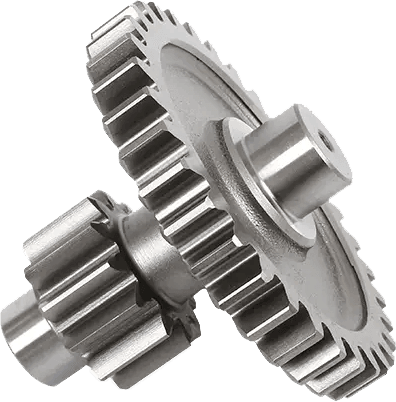
Zhejiang Haoshun Machinery Technology Co., Ltd. in Taizhou Bay Industrial Park, Jiaojiang District, performs blank forging, rough machining, precision machining, and heat treatment in-house for Heavy Industrial Gear Manufacturing projects. The site covers more than 56,000 square metres of land, and a team of 360 includes 25 people dedicated to quality management and inspection. The product forms it lists include precision gears, shafts, gear sleeves, and Gear Rings.
Its catalogue includes mining, cement, and steel-mill gears, port and material-handling gears, slewing and swing drive gears, and wind turbine gearbox gears. A Heavy Industrial Gear Manufacturer that forges its own blanks can tie the steel, the allowance, and the heat treatment to one drawing. Each tooth the gear cutter later shapes sits in steel that was worked, tested, and sized for that part.
-
William Weber:
Phone: +86-13968651722
E-mail: sales01@hsgearworks.com -
Address:
No.9 East Section, Jianan Avenue, Taizhou Bay New District, Taizhou City, Zhejiang Province, China, 318052
Copyright @ Zhejiang Haoshun Machinery Technology Co., Ltd. All Rights Reserved.
Precision Gears Manufacturer
