
News
Home / News / Analysis of Electric Propulsion Gear Reduction Systems

Analysis of Electric Propulsion Gear Reduction Systems


Where Engineering Excellence Meets Reliable Transmission
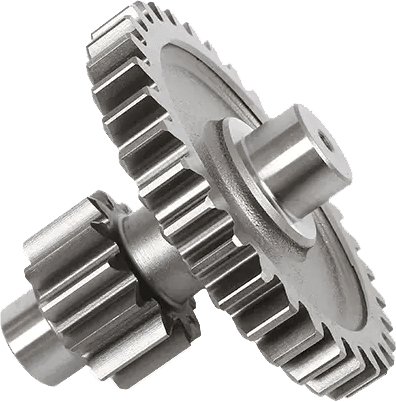
Electric motors typically output power at high rotational speeds; however, the propulsion-side equipment often requires lower speeds and higher torque. Consequently, a gear reduction mechanism serves as an essential intermediate link in this process.

Basic Components of a Gear Reduction System

An electric propulsion gear reduction system typically comprises several fundamental components that work in concert to facilitate the power transmission process.

The primary structural components include:

  • Input Gear: Connects to the electric motor's output shaft.
  • Reduction Gear Set: Achieves a reduction in rotational speed and an increase in torque.
  • Output Gear Shaft: Connects to the propulsion device.
  • Bearing Support System: Ensures rotational stability.
  • Lubrication System: Small friction and wear.

These individual parts are precisely assembled to form a complete transmission unit, ensuring stable power transmission under various operating conditions.

Brief Overview of Operating Principles

The operating principle of a gear reduction system is based on the mechanics of gear meshing. As the electric motor drives the input gear to rotate, power is transmitted through the contact surfaces of the gear teeth to the intermediate gear set, where the rotational speed is progressively reduced.

By varying the gear tooth ratios, both speed reduction and torque amplification can be achieved. For instance, a large gear driving a small gear increases rotational speed, whereas a small gear driving a large gear serves to reduce speed and boost output torque.

This process transforms the high-speed power output of the electric motor into the specific operational state required by the propulsion system.

Types of Gear Structures

Common gear structures found in electric propulsion reduction systems include the following:

  • Spur Gears: Simple in structure; suitable for basic speed reduction applications.
  • Helical Gears: Offer smooth meshing; suitable for continuous-operation applications.
  • Planetary Gears: Compact in structure; utilized for multi-stage speed reduction.
  • Multi-stage Compound Gears: Employed to meet requirements for high reduction ratios.

Different gear structures vary in their load-bearing characteristics and operational attributes; therefore, they are typically selected and combined based on the specific operating conditions of the equipment.

System Operational Characteristics

Electric propulsion gear reduction systems exhibit several key operational characteristics:

  • Relatively stable power conversion efficiency.
  • Capability to sustain continuous-operation conditions.
  • Robust load-handling and adaptability capabilities.
  • Support for multi-stage transmission configurations.
  • Enables compact system layout designs.

These characteristics make such systems widely applicable across a diverse range of electric propulsion equipment.

Lubrication and Operating Conditions

The lubrication system plays a pivotal role in the operation of reduction gears by forming an oil film on the gear teeth surfaces, thereby small direct metal-to-metal contact.

Common lubrication methods include:

  • Splash lubrication
  • Forced-circulation lubrication
  • Oil mist lubrication

The stability of the lubrication state directly influences the degree of gear wear and operational noise; consequently, it occupies a critical position in the system design process.

Comparative Analysis of Gear Structures

The table below outlines the common structural characteristics found in electric propulsion reduction gear systems:

Gear Type Structural Characteristics Operational Smoothness Load-Bearing Capacity Manufacturing Complexity Typical Applications
Spur Gear Parallel tooth surface engagement Fair Moderate Low Basic reduction systems
Helical Gear Angled tooth surface contact Good High Moderate Continuous-operation equipment
Planetary Gear Multi-gear combination structure Good High High Compact reduction systems
Multi-stage Gear Cascaded transmission structure Good High High Applications requiring high reduction ratios

Operational Stress Analysis

During operation, reduction gears are primarily subjected to two types of stress:

  • Tooth Surface Contact Stress: Occurs within the gear meshing zone.
  • Tooth Root Bending Stress: Acts upon the base (root) of the gear teeth.

Over the course of long-term operation, these stresses fluctuate in response to changes in load; therefore, gear structural design must take into account fatigue characteristics and stability requirements.

A well-engineered tooth profile design helps to distribute stress effectively, thereby enhancing overall operational smoothness.

Key Points for Maintenance and Inspection

Electric propulsion reduction gear systems require regular maintenance to ensure stable operating conditions.

Common inspection items include:

  • Condition of gear tooth surfaces (wear assessment)
  • State of gear meshing
  • Quality of the lubricating oil
  • Condition and performance of bearings
  • Changes in vibration levels and noise output

Through these inspections, operational anomalies can be detected and addressed in a timely manner.


Let’s Build Your Perfect product.